

Sponsored

Gives positive vibes: Aeris Numo Comfort

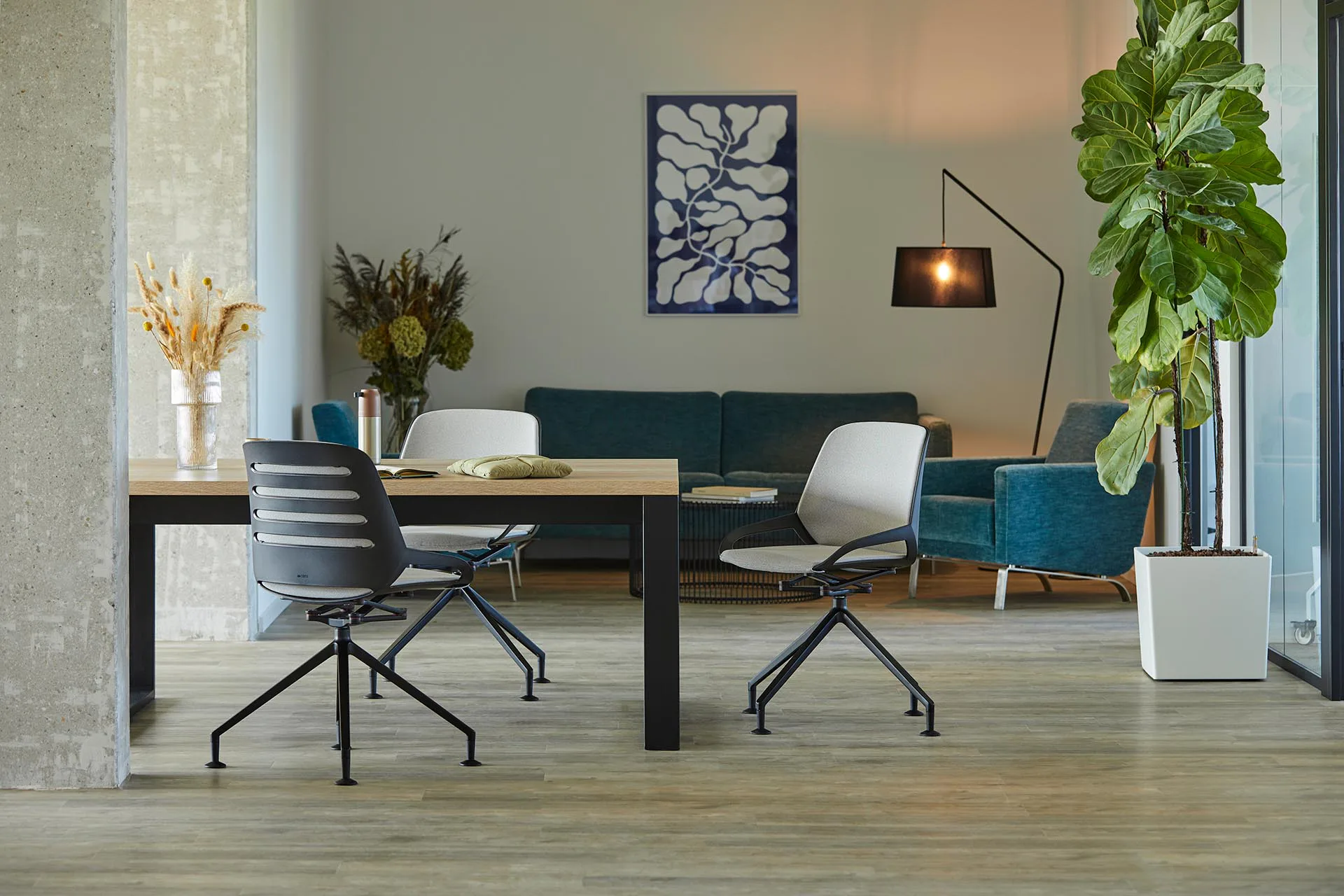
The Aeris Numo Comfort designer active chair combines style and comfort and brings positive vibes to meetings, desks, lounges or dining tables in the home.

Gives positive vibes: Aeris Numo Comfort

Advertisement

Gives positive vibes: Aeris Numo Comfort

Conferences, meetings, working from home: new work doesn't work on old furniture
> To the Festive Raffle

© ️ Aeris

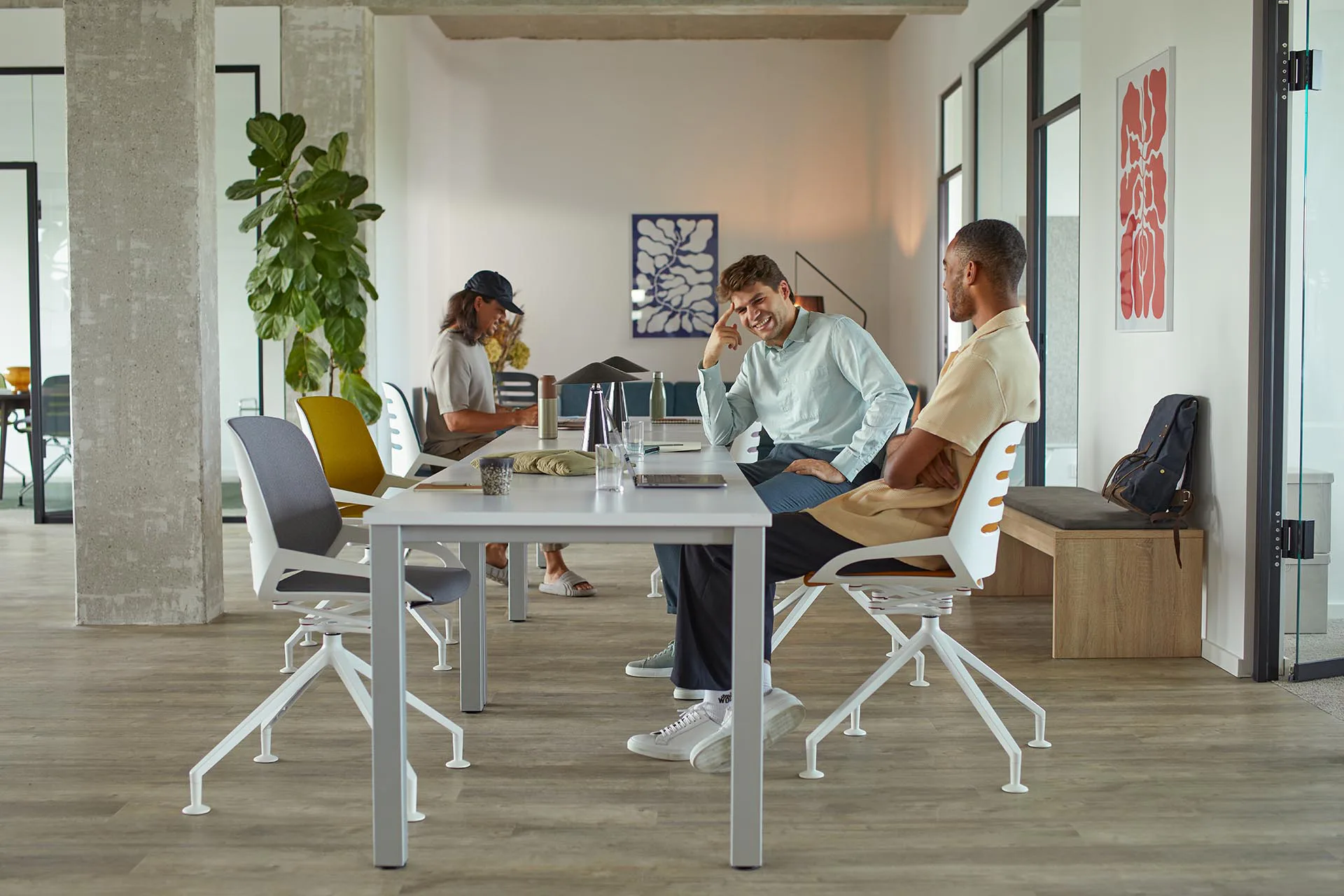
Modern office equipment supports and promotes an active lifestyle - and therefore productivity, motivation and fitness for users in equal measure. A successful example: the Aeris Numo Comfort designer active chair. It combines style and comfort and - thanks to its specific movement kinematics - brings positive vibrations to meetings, desks, lounges or the dining table in the home.

Aeris, a specialist for active chairs and movement concepts in the office and home office sector, has further developed the idea of the popular cantilever chair with this new classic. The timelessly beautiful seat shell follows the natural movements of the user and offers freedom of movement. Not only backwards, but also forwards.

Comfort extras: the flexible front edge of the seat, the breathable lamella design of the backrest, the optional clip-in back cushions with lumbar support and a choice of three different bases: skid, wooden legs, base.

Design conference chair Aeris Numo Comfort from RRP 419,- Euro

You can find more information here.

Never just sit.

It's time to reinvent the way we work and live. Too many people are still sitting still too often. The lack of movement has a negative impact on concentration, energy, creativity and, above all, health after just a short time. The “modern” diseases of civilization, such as diabetes, cardiovascular diseases, back pain, etc., can be traced back to this lack of movement.

Aeris has set itself the goal of enabling people to lead an active and healthy lifestyle with its products.
© ️ Aeris

  • Mei architects and planners completed the Schiecentrale in Rotterdam’s Lloydkwartier in 2008. The practice is still based in the building complex to this day, and Robert Winkel also lives there.

    „We're interested in people who have ideals" 

    What qualifies architects as project developers? What values enable them to survive in the highly competitive real-estate industry? How can architectural practices use digital data to regain influence over construction processes? We speak to Robert Winkel, who works in architecture and real estate.

  • View from the entrance of two learning centres and the adjoining sports hall on the school grounds

    A Place for Personal Development  

    Classrooms are a thing of the past. At Ammersee, pupils learn in open clusters overlooking the lake. Dettinger Architects designed the school building using timber-frame construction.

  • HALBZEUG #4: Zumthor, Bawa, Nauta and Ramstad

    How often do you miss a lecture, an exhibition closing event or a panel discussion, and lose track of notable buildings, new architectural practices and trends in architecture? In episode 4, we report on our press trips, discuss the projects we've experienced and offer a little glimpse behind the scenes of a press trip.

  • View of the art district and the adjacent fjord landscape

    Art Moves to the Countryside 

    How an old commercial complex by the fjord became a branch of the Statens Museum, and why it also houses a kayak storage facility with a workshop.

  • Inclusive Centre near Barcelona

    An old textile factory was transformed into a day centre for individuals with disabilities. As a public building in the heart of the city, it represents a completely new understanding of inclusion.

  • View from the new atrium. For the first time, the central stairwell with lift provides all tenants with direct access to their offices and laboratories.

    Added Storeys Instead of Demolition 

    In Uppsala, Sweden, a 1970s office complex was facing demolition. Following its unexpected rescue, it has become a pilot project for circular construction. Anders Tväråna of White Arkitekter relatess how Lumi also became an economic success.