Sponsored

Advertorial

ArchDaily Names 20 Winners of Next Practices 2025

ArchDaily announces 20 winners of the 2025 Next Practices Awards, celebrating global firms redefining architecture through sustainability, community, care and innovative, interdisciplinary design.

ArchDaily Names 20 Winners of Next Practices 2025
© Ooki Jingu

In the fifth edition of ArchDaily’s Next Practices Awards, 20 groundbreaking architectural firms from around the globe have been selected as this year’s winners. The initiative - with a renewed name and identity - focuses on what is next, championing forward-thinking architecture professionals that prioritize sustainability, longevity, and a deeper, more mindful engagement with the built environment.

Reflecting a wide range of geographies, disciplines, and methodologies, each selected practice embodies the spirit of what is next: the ideas, practices, and projects that are expanding and evolving the role of architecture in addressing today’s most urgent issues.
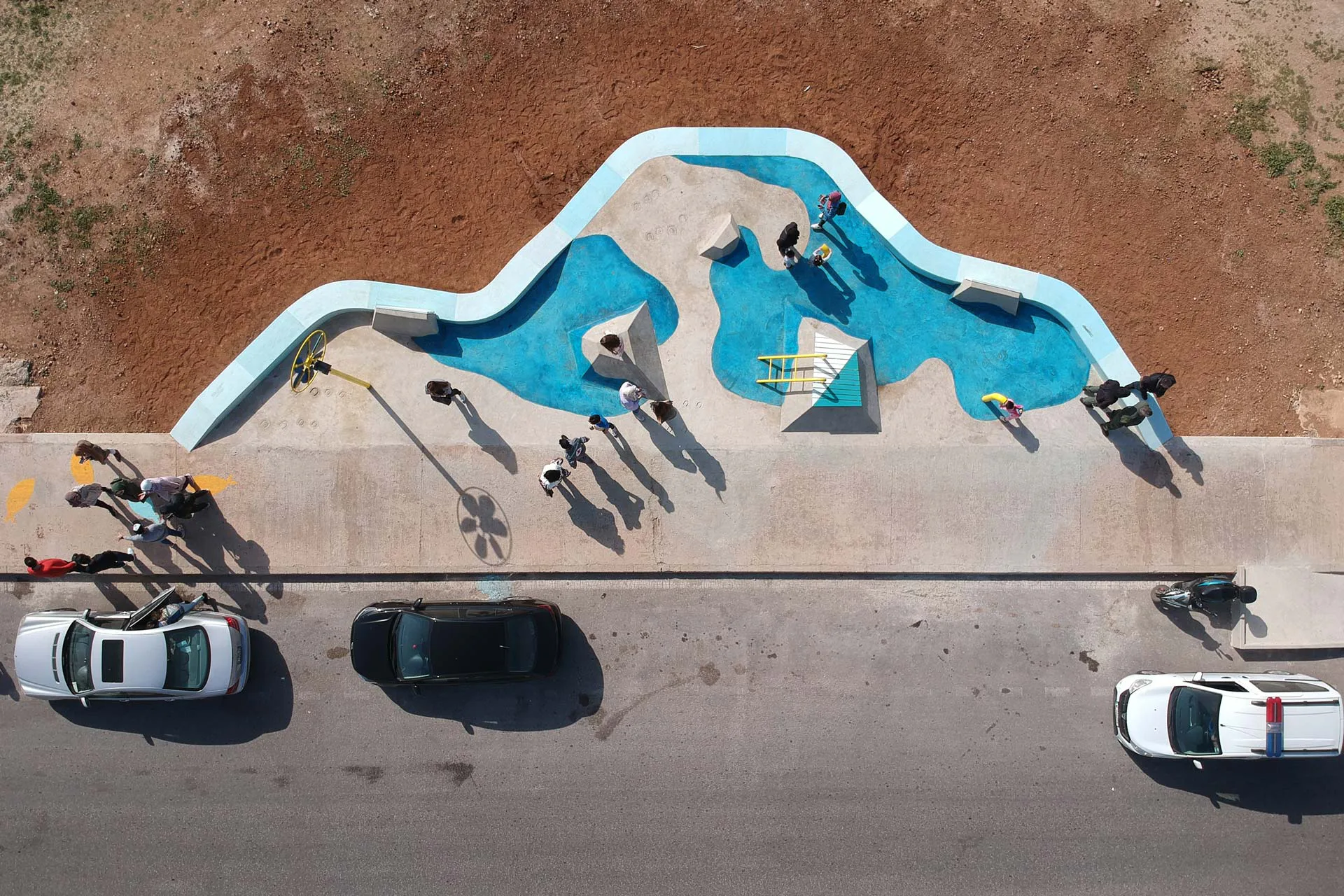
Mauj / CatalyticAction
Mauj / CatalyticAction © Ahmad Shinder

A global, interdisciplinary selection

The winning firms bring distinctive perspectives rooted in local realities, while contributing to a shared global discourse in a variety of scales, forms, and contexts. From Romania, Kazakhstan, Brazil, Syria, and 16 other countries, these practices embody the interdisciplinary nature of contemporary architecture.

Each of the winning practices was carefully chosen through an exhaustive selection process by ArchDaily’s Editorial team and an external jury comprised of Josephine Michau (Founder and Director of the Copenhagen Architecture Festival - CAFx), Gabriela Carrillo (Founder of Taller Gabriela Carrillo), Lucia Pedrana (Co-Director at the European Cultural Centre), Vinu Daniel (Founder of Wallmakers and winner of the first edition of Next Practices in 2022), and Eloisa Ramos and Moreno Castellano (Founders of RamosCastellano Arquitectos).
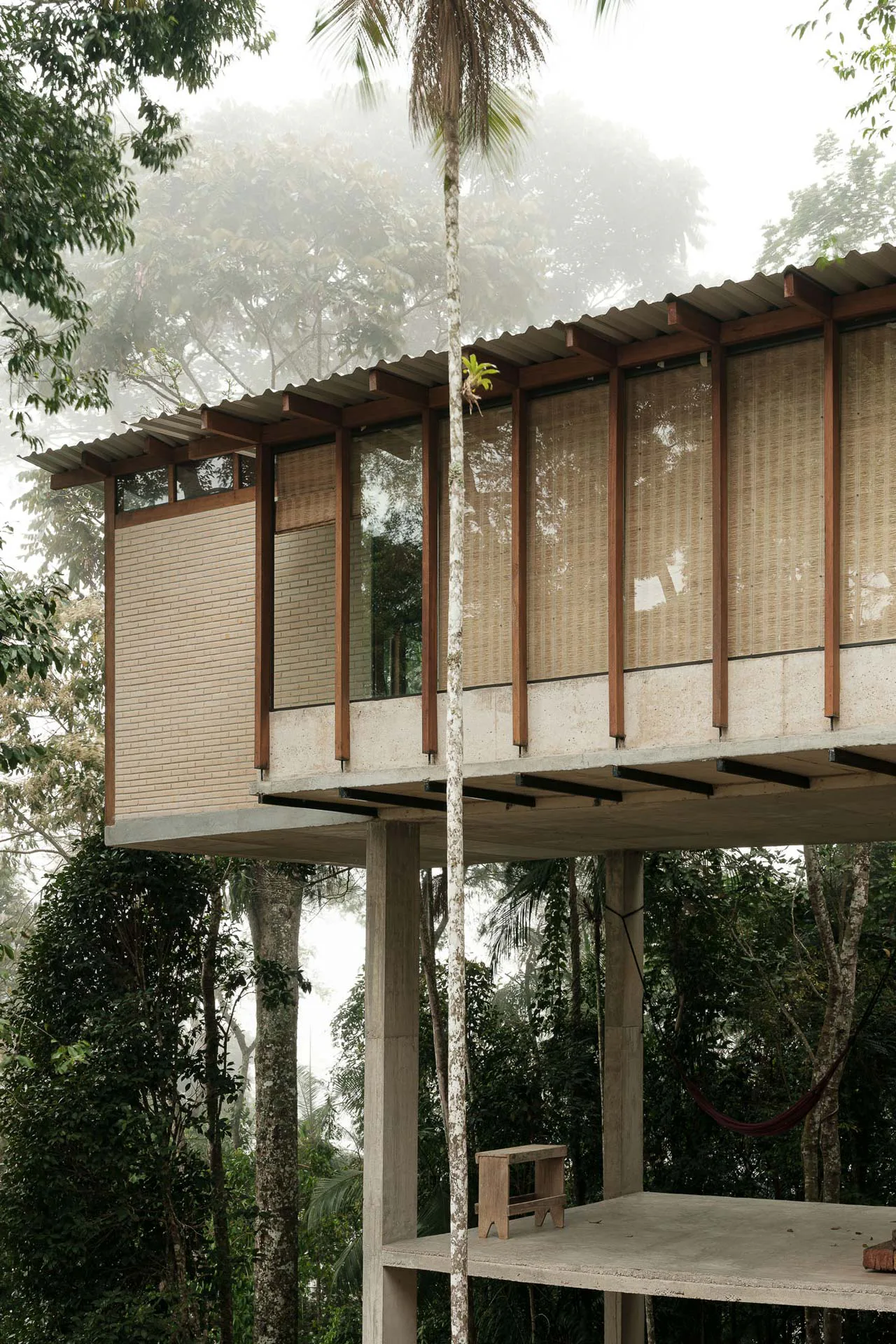
House in the Trees / Juliana Ayako
House in the Trees / Juliana Ayako © Pedro Kok

Toward an architecture of care

Grounded in the realities of place, the work of each selected practice embraces sustainable materials and circular practices, embeds communities in design and construction, expands architecture's reach through art, performance, research, and technology, and reframes preservation as a future-oriented act. In a world that feels increasingly disconnected, overcomplicated and remote, the work of these 20 practices is defined by care: for context, for community, for memory, and for ecology.
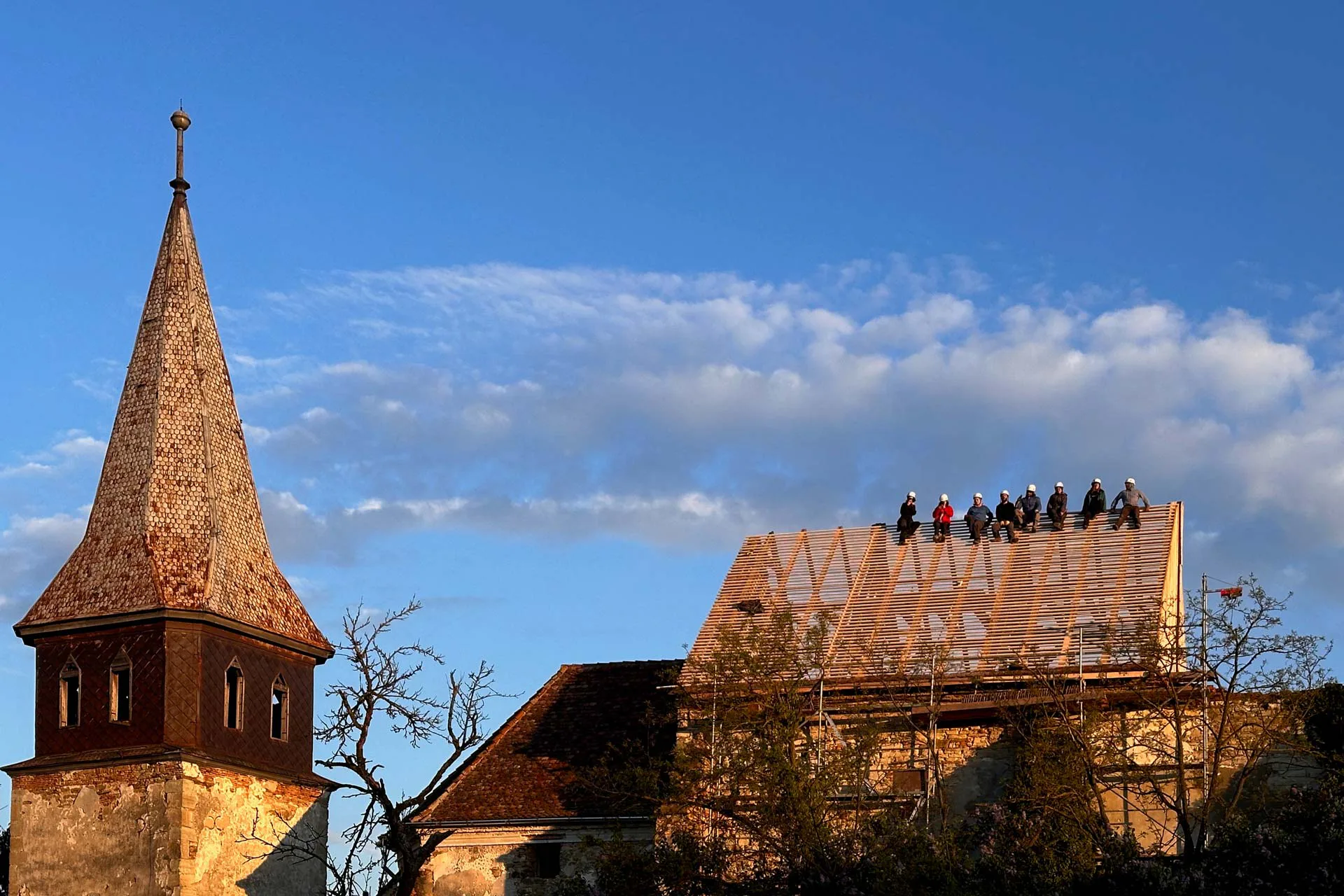
Freiwillige beobachten den Sonnenuntergang auf dem neu restaurierten Dach der Wehrkirche von Vermeș / Ambulance for Monuments
Freiwillige beobachten den Sonnenuntergang auf dem neu restaurierten Dach der Wehrkirche von Vermeș / Ambulance for Monuments © Lavinia Cociubei

The Next Practices 2025 winners

  • 1110 Office for Architecture (Japan)
  • Ambulance for Monuments (Rumänien)
  • Arquivo (Brasilien)
  • CatalyticAction (Libanon, Vereinigtes Königreich)
  • Civil Architecture (Bahrain, Kuwait)
  • Daryan Knoblauch (Deutschland)
  • Deir ez-Zor Heritage Library (Syrien)
  • Dele Adeyemo (Nigeria, Schottland)
  • Estudio Ome (Mexiko)
  • Géométral (Frankreich)
  • Hand Over (Ägypten)
  • IGArchitects (Japan)
  • Juliana Ayako (Brasilien)
  • NAAW – New Almaty Architects Workshop (Kasachstan)
  • PK_iNCEPTiON (Indien)
  • Región Austral (Argentinien)
  • SEALAB (Indien)
  • SSdH (Australien)
  • Studio NEiDA (Togo, Deutschland)
  • Yong Ju Lee Architecture (Südkorea)
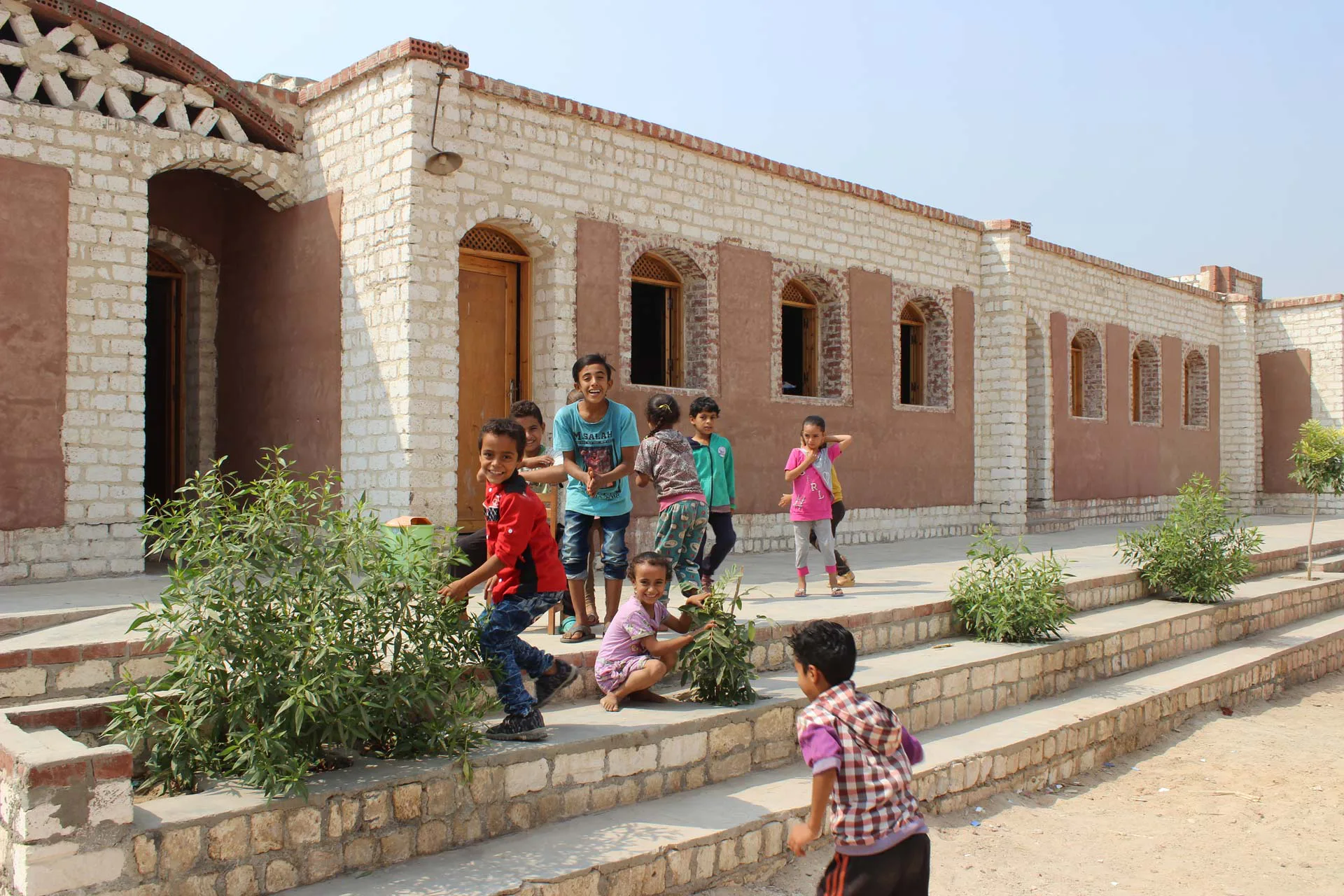
Al Ayat Community School / Hand Over
Al Ayat Community School / Hand Over © Courtesy of Hand Over

Follow the full coverage of Next Practices 2025 on ArchDaily for more information and exclusive insights into the winners.

Find out more

Client: ArchDaily


Project: Next Practices Awards 2025


  • Mei architects and planners completed the Schiecentrale in Rotterdam’s Lloydkwartier in 2008. The practice is still based in the building complex to this day, and Robert Winkel also lives there.

    „We're interested in people who have ideals" 

    What qualifies architects as project developers? What values enable them to survive in the highly competitive real-estate industry? How can architectural practices use digital data to regain influence over construction processes? We speak to Robert Winkel, who works in architecture and real estate.

  • View from the entrance of two learning centres and the adjoining sports hall on the school grounds

    A Place for Personal Development  

    Classrooms are a thing of the past. At Ammersee, pupils learn in open clusters overlooking the lake. Dettinger Architects designed the school building using timber-frame construction.

  • HALBZEUG #4: Zumthor, Bawa, Nauta and Ramstad

    How often do you miss a lecture, an exhibition closing event or a panel discussion, and lose track of notable buildings, new architectural practices and trends in architecture? In episode 4, we report on our press trips, discuss the projects we've experienced and offer a little glimpse behind the scenes of a press trip.

  • View of the art district and the adjacent fjord landscape

    Art Moves to the Countryside 

    How an old commercial complex by the fjord became a branch of the Statens Museum, and why it also houses a kayak storage facility with a workshop.

  • Inclusive Centre near Barcelona

    An old textile factory was transformed into a day centre for individuals with disabilities. As a public building in the heart of the city, it represents a completely new understanding of inclusion.

  • View from the new atrium. For the first time, the central stairwell with lift provides all tenants with direct access to their offices and laboratories.

    Added Storeys Instead of Demolition 

    In Uppsala, Sweden, a 1970s office complex was facing demolition. Following its unexpected rescue, it has become a pilot project for circular construction. Anders Tväråna of White Arkitekter relatess how Lumi also became an economic success.