

For a long time, the hotel industry was regarded as the specialist in creating quality spaces for staying. Today, we are seeing the question of comfort move increasingly to the fore in healthcare buildings, restaurants, homes, cultural institutions and hybrid workplaces. This also shifts the meaning of hospitality. A space becomes hospitable when it provides orientation without being prescriptive; when it enables proximity without preventing retreat; and when it allows for different rhythms of inhabitation. This year’s Iconic Awards show that hospitality does not begin in the room or at the table. It starts at the threshold, continues through the sequence of spaces, and becomes physically tangible through light, material, acoustics and furnishing.
This is precisely where the Iconic Awards Best of Best-winning projects begin. They translate the spatial intelligence of hospitality into very different typologies and scales: a guesthouse, a holiday home, a meditation hotel, a psychiatric clinic, a historic villa and a bathhouse.
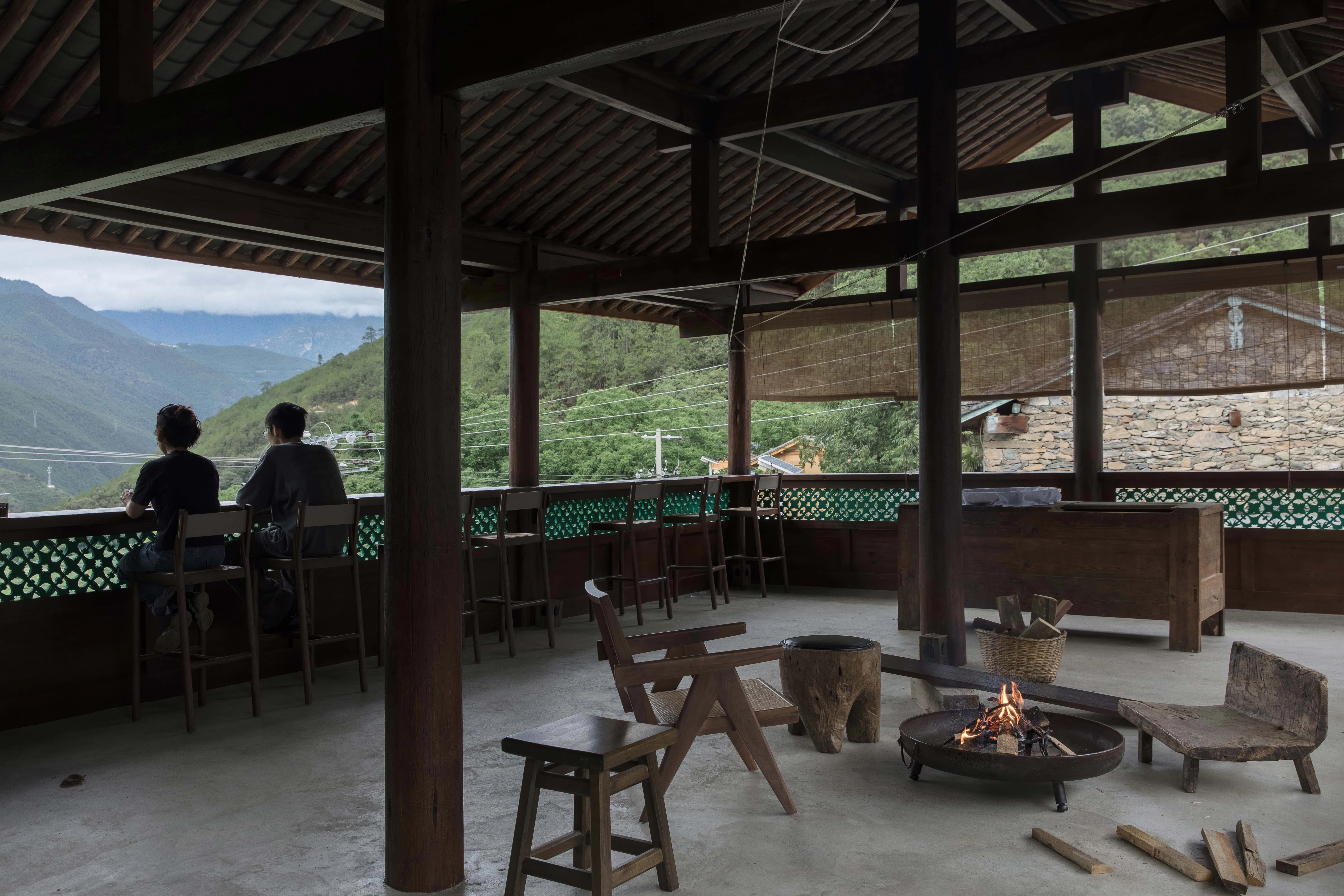
The Journey of a Stranger, Qibie Arcadia by Studio Mor and Dolma Atelier does not stage an unfamiliar place. Instead, it carefully builds on an existing way of life. The courtyards, kitchen and large stove remain and are complemented by seating areas, timber platforms and covered transitions. Quality of stay emerges here through the slow appropriation of a place, not through a tourist programme.

Kleines Ferienhaus auf dem Hof Ahmen by Atelier Sunder-Plassmann condenses the same question into just 55 square metres. A continuous built-in piece of furniture divides the space into living area, bathroom and two sleeping alcoves. Retreat is therefore not created through isolation, but through the possibility of continually balancing proximity to the landscape, shared living and individual privacy.
Meditation Hotel at the foot of Yunlong Mountain in Xuzhou takes the idea to a larger landscape scale. Courtyards, pools and spaces for contemplation form a sequence of movements and pauses. The route through the complex becomes the design’s essential instrument.
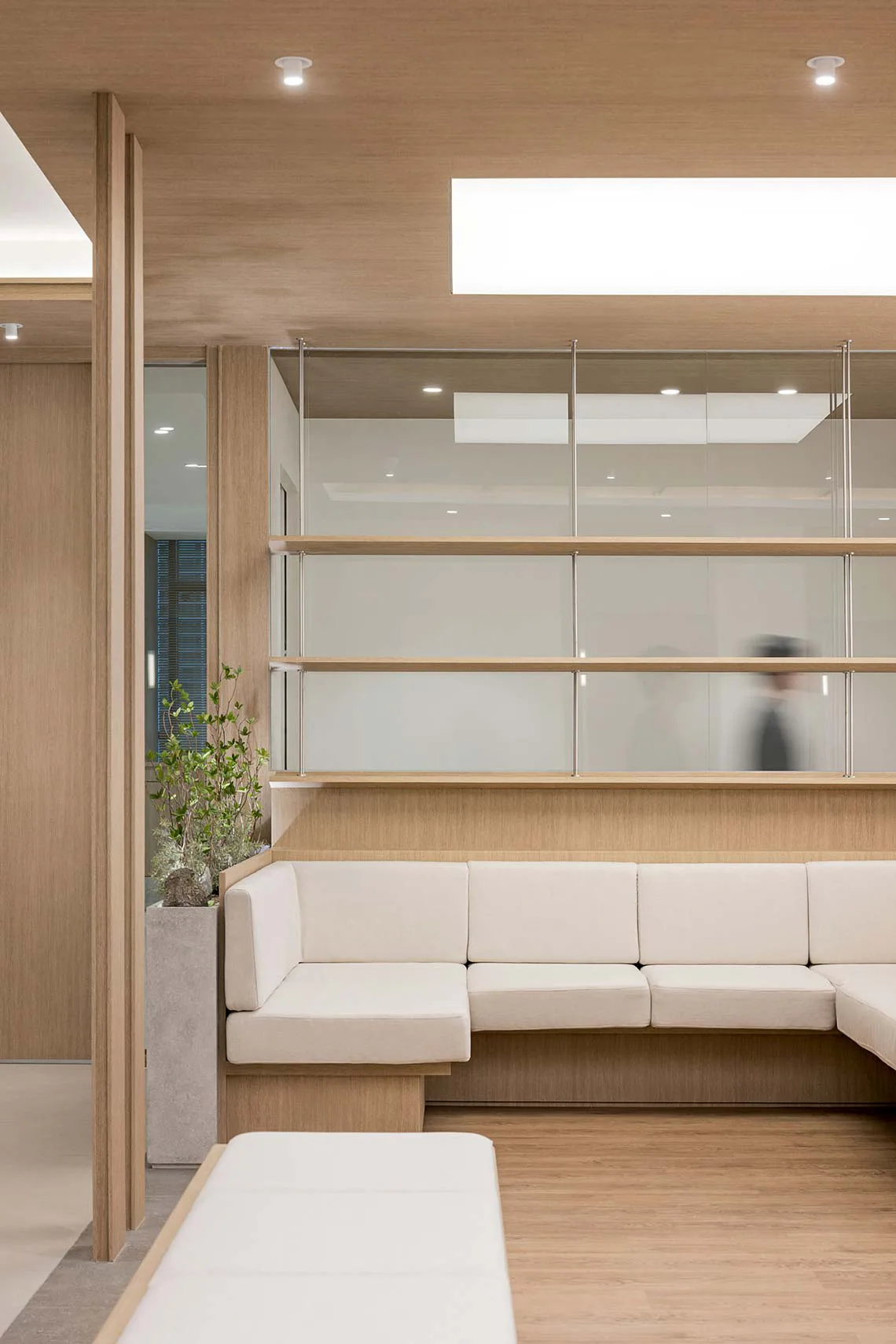
With Labotory’s Brain Psychiatry Clinic, this attitude enters a therapeutic context. The child and adolescent psychiatric clinic replaces clinical severity with a calm, familiar sequence of spaces. Different seating areas, open zones and gentle transitions allow proximity without imposing it, and retreat without producing isolation. This example makes particularly clear how far the idea of hospitality extends beyond the hotel sector.

How do you build hospitality? Not through a recognisable aesthetic, nor by simply adding comfortable amenities. Hospitable spaces do not claim people. They give them orientation, protection and the freedom to find their own way of being present.
Find out more
Manufacturer: Rat für Formgebung
Product: ICONIC AWARDS 2026


