
Reports from press trips

HALBZEUG #4: Zumthor, Bawa, Nauta and Ramstad

 - Nora Good, Nils Freiwald

How often do you miss a lecture, an exhibition closing event or a panel discussion, and lose track of notable buildings, new architectural practices and trends in architecture? In episode 4, we report on our press trips, discuss the projects we've experienced and offer a little glimpse behind the scenes of a press trip.

HALBZEUG #4: Zumthor, Bawa, Nauta and Ramstad
© Katalin Deér

Nora Good, Barbara Zettel and Nils Freiwald were on press trips. They report on projects, exhibitions and architectural works they experienced in Basel, Amsterdam and Oslo.

Basel

In Basel, Nils Freiwald was on his very first press trip, and the focus is on Peter Zumthor. Peter Zumthor has expanded the Fondation Beyeler’s new complex with three new buildings. The Wyss Museum is the exhibition building.

© Mark Niedermann

From one exhibition in Basel to the next: the Vitra Design Museum is currently telling the life story of the architect Geoffrey Bawa. The exhibition ‘Architecture for the Senses’ offers an insight into Bawa as a person and his architectural development.
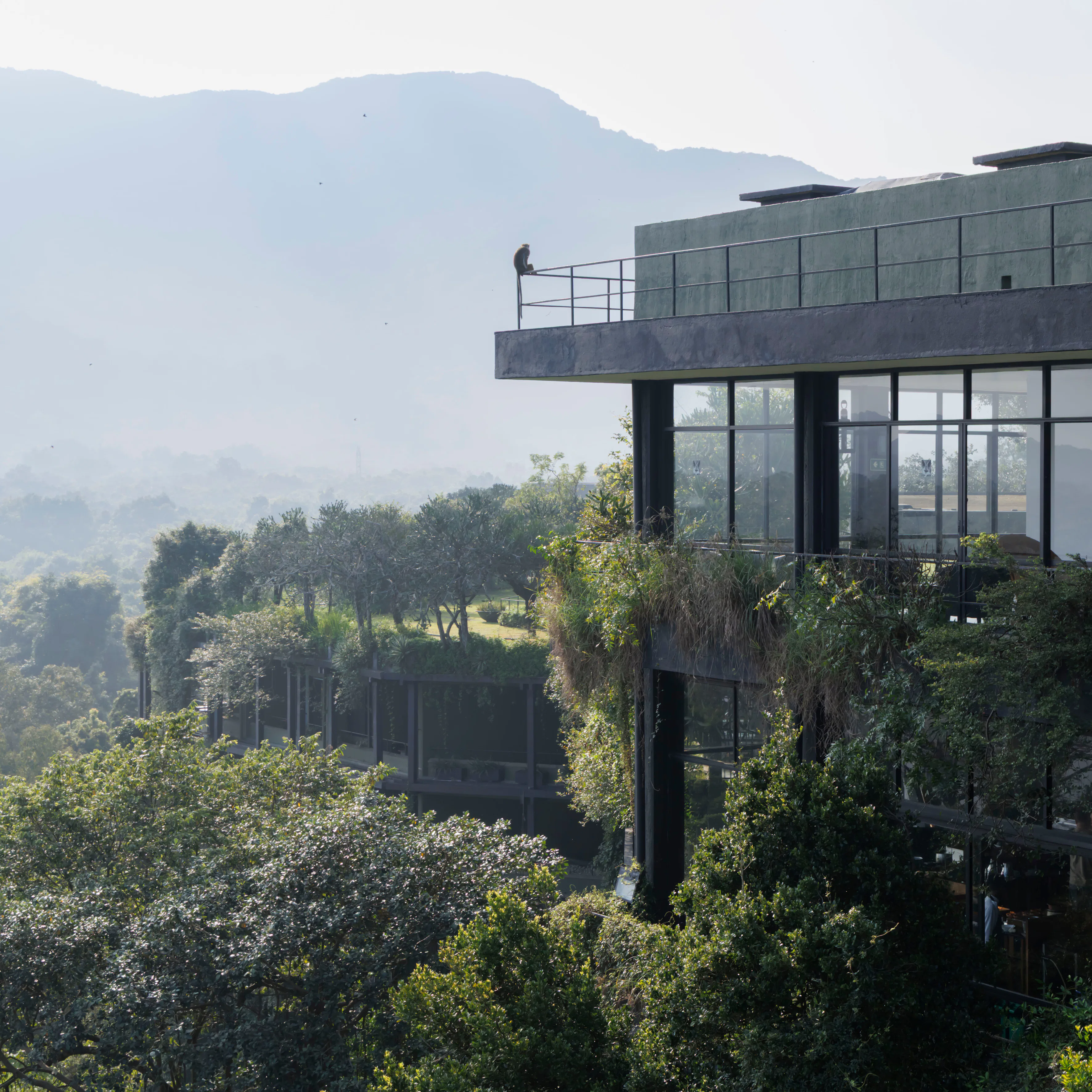
© Iwan Baan

Amsterdam

Nora Good was in Amsterdam. She brings back a project by Studio Nauta, thereby building a bridge to our last episode, ‘Reuse in Architecture’. Nora Good and Jan Nauta discuss the process of reuse architecture, moments when materials become unusable due to modern requirements, and the insights gained from this.
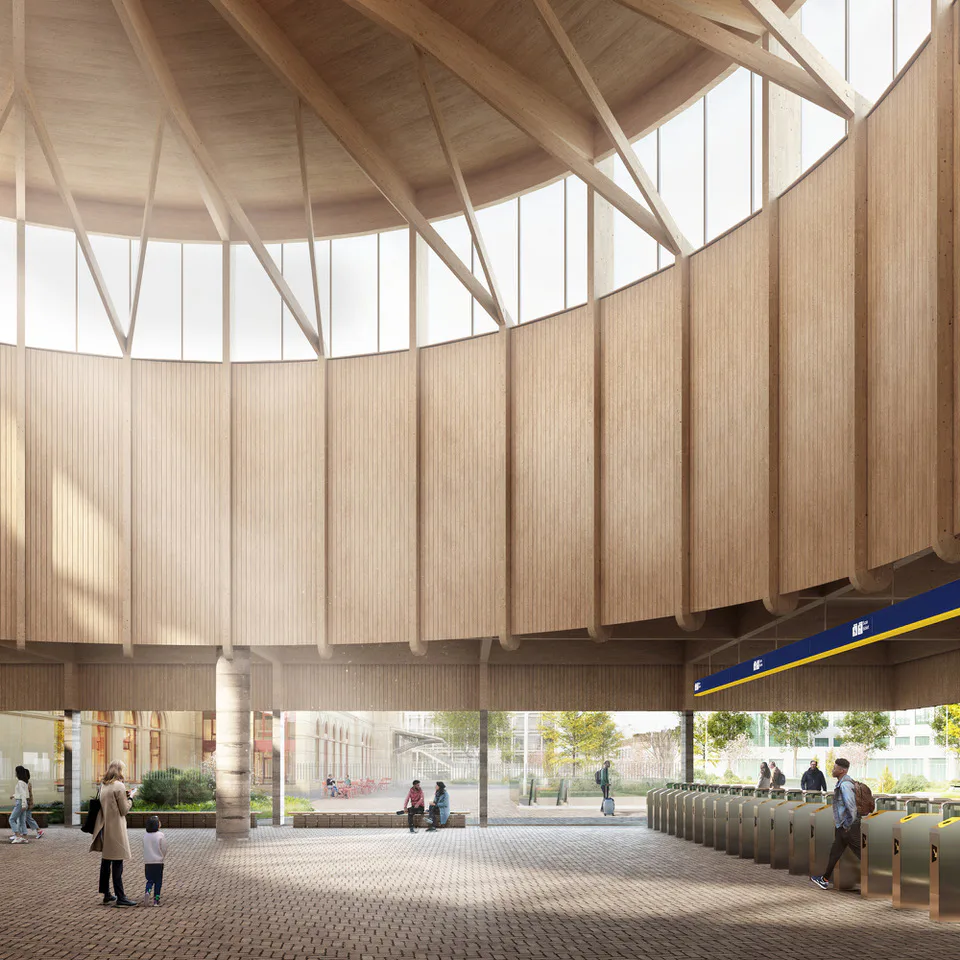
© Studio Nauta

Oslo

Barbara Zettel was in Oslo. She reports on the architecture triennial entitled ‘What if nature comes first’, an exhibition of new materials that aim to bridge the gap between the local and the global. The materials are locally sourced, but the concept can be applied anywhere in the world.

© Studio Abrakadabra


A new episode that combines two aspects: informative reporting and a look behind the scenes.


  • Mei architects and planners completed the Schiecentrale in Rotterdam’s Lloydkwartier in 2008. The practice is still based in the building complex to this day, and Robert Winkel also lives there.

    „We're interested in people who have ideals" 

    What qualifies architects as project developers? What values enable them to survive in the highly competitive real-estate industry? How can architectural practices use digital data to regain influence over construction processes? We speak to Robert Winkel, who works in architecture and real estate.

  • View from the entrance of two learning centres and the adjoining sports hall on the school grounds

    A Place for Personal Development  

    Classrooms are a thing of the past. At Ammersee, pupils learn in open clusters overlooking the lake. Dettinger Architects designed the school building using timber-frame construction.

  • View of the art district and the adjacent fjord landscape

    Art Moves to the Countryside 

    How an old commercial complex by the fjord became a branch of the Statens Museum, and why it also houses a kayak storage facility with a workshop.

  • Inclusive Centre near Barcelona

    An old textile factory was transformed into a day centre for individuals with disabilities. As a public building in the heart of the city, it represents a completely new understanding of inclusion.

  • View from the new atrium. For the first time, the central stairwell with lift provides all tenants with direct access to their offices and laboratories.

    Added Storeys Instead of Demolition 

    In Uppsala, Sweden, a 1970s office complex was facing demolition. Following its unexpected rescue, it has become a pilot project for circular construction. Anders Tväråna of White Arkitekter relatess how Lumi also became an economic success.

  • A former industrial hall was stripped down to its reinforced concrete frame. The theatre sits within it, enclosed by a folded envelope of green metal panels.

    Skeleton as Envelope

    How much existing fabric must be retained for a project to meet heritage protection requirements? Wutopia Lab's theatre in Suzhou tests the limits.