Research and practice: Algae growth on ETICS - a problem without a solution?
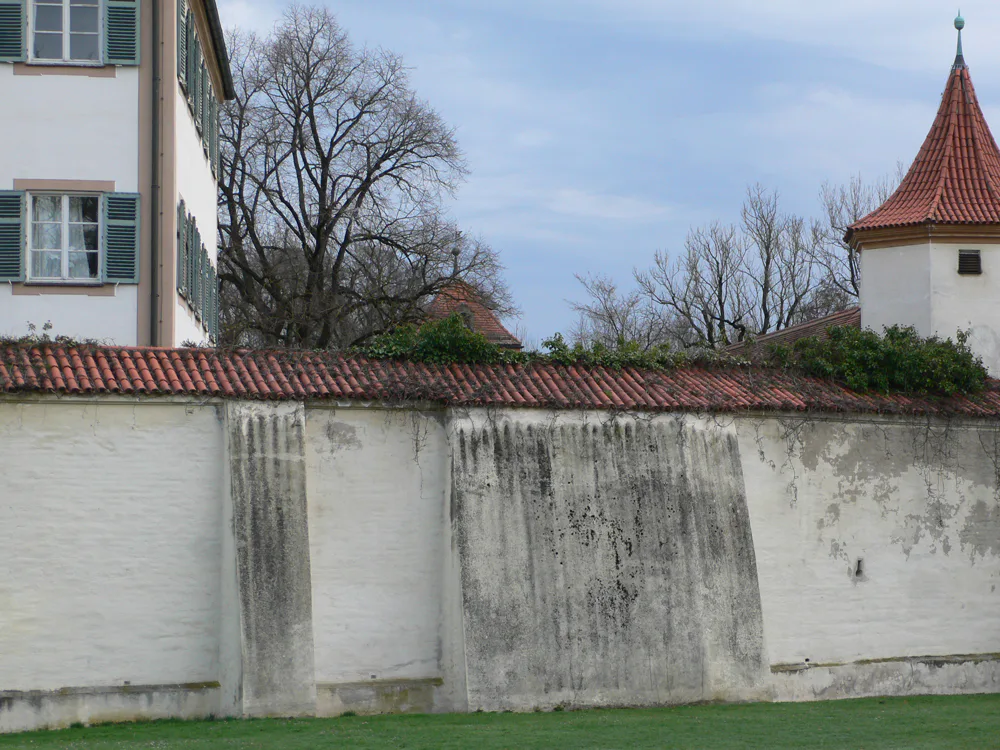
Algae and fungus growth commonly appear on north and west facades especially when there are trees nearby. Moisture from rain and condensation accumulates on the facade and dries out slowly due to the lack of direct sunlight and the lack of heat transfer out of the building. Furthermore, wind constantly delivers nutrients that support unwanted plant growth. In recent years, global warming and the decrease in acid rain has even led to an increase in algae and fungus growth. The problem does not only apply to ETICS: sheet metal facades, concrete walls and fibre cement cladding can all host algae. Findings suggest that algae and fungus prefer damp, but not too much cold. Therefore they mostly grow during spring and autumn and less so during the summer and winter months. In order to protect themselves from liability claims, many building owners and construction companies choose facade renderings and coatings which contain biocides like terbutryn, diuron and carbendazim. Leaching is a basic problem of these substances: in order to be effective, biocides must be water-soluble. Therefore, their effectiveness gradually decreases. Facades must, in turn, be regularly coated with paints containing biocides or they will lose their protection against algae growth. In a weathering test undertaken by the Fraunhofer Institute for Building Physics, none of the 33 combinations of render, paints and biocide mixtures studied provided longer than five years of effective protection against algae growth.