
Design in football

Football: Designing the Beautiful Game in London

In keeping with the 150th anniversary of the Football Association, the Design Museum in London is presenting the first large exhibition on the subject of design in the world's most popular spectator sport: football.

Football: Designing the Beautiful Game in London
© Neville Gabie

From the streetcorner to the world-class stadium, the cultural world surrounding football is without precedent. The popular sport forges a sense of community and brings people together around the globe. In the run-up to the first winter World Cup, London’s Design Museum is showing how human creativity has taken the game to its technical and emotional limits.

© Unknown

The comprehensive exhibition is the result of close cooperation with Manchester’s National Football Museum; it omits no detail of the history and significance of football.

From the world’s best-known football stadiums and the graphic design of team logos to the innovative material of football shoes, each component is explored, just as the processes and people who have made football what it is today are portrayed.
© Unknown

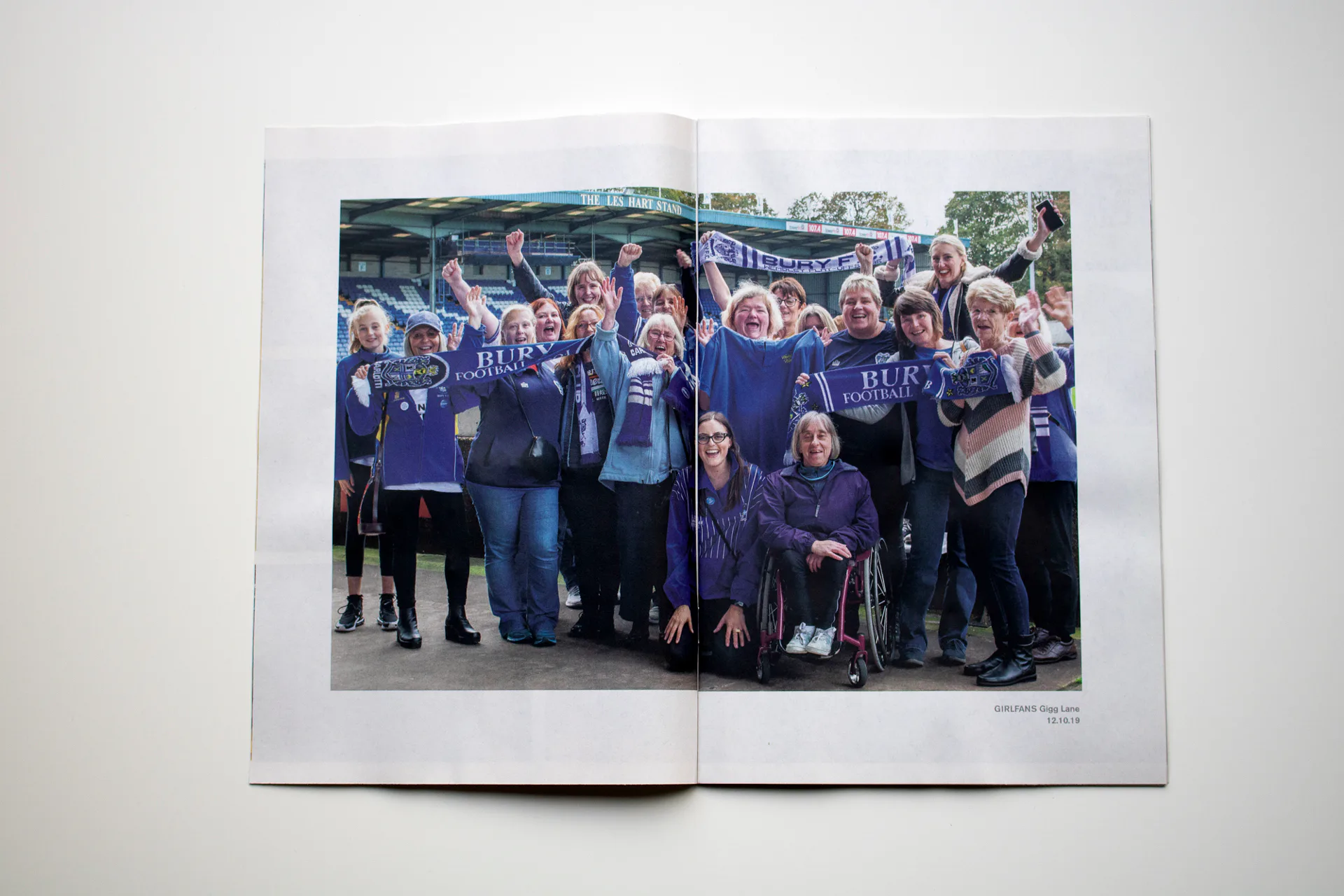
Along with many exhibits and graphic presentations, the Design Museum is celebrating the freedom and creativity inherent in sport and examining the various ways that people approach football: collectible cards, FIFA video games, participation in the fan scene. The presence of football can be felt in every age group.

© Unknown

The exhibition aims not only to promote plurality, diversity and inclusion in the sport, but also to encourage people to express their own thoughts and visions for the future of football.


Exhibition location: The Design Museum, 224-238 Kensingston High St, London W8 6AG (GB)
Exhibition duration: 8 April 2022 to 29 August 2022
Opening hours: Sunday to Thursday 10 am–6 pm, Friday to Saturday 10 am–9 pm


Language: English
Further Information: designmuseum.org


  • The new seven-storey building on Hohlstrasse in Zurich will comprise a ground floor with retail space and public service areas, and five upper floors with commercial space.

    Railway Tracks as a Supporting Structure - How Does That Work? 

    Around 180 kilometres of track are replaced every year on the Swiss rail network. Until now, all this scrap metal has been melted down. However, the first building with a steel framework made from recycled rails will soon be constructed in western Zurich.

  • Landscape architect Line Ramstad is the new chief curator of the Oslo Triennale.

    „One Size Does Not Fit All" 

    Facades made from waste wool, recycled steel from decommissioned ships, housing rather than investment property: Line Ramstad, chief curator of the Oslo Triennale, shows what happens when nature takes precedence.

  • Paul Van Ostaijen Culture Campus in Leuven

    Lava architecten transformed an old mission building in Leuven into a place where circus arts, music, theatre, and dance coexist under one shared roof. Effective soundproofing is the precondition for the shared use of the facility.

  • Even though the main exhibition pavilion in the Giardini was closed, the 2025 Architecture Biennale featured more exhibits than ever before.

    Self-Exploitation in the Celebrity Circus

    At every Architecture Biennale, the curators face the same obstacles: a lack of funding, a great deal of red tape, and an organisation that ignores collective achievements. Why do they put themselves through this? We speak to Albena Yaneva, who spent a year observing the development process of the 2025 Biennale.

  • A vision for the future of Barcelona: Boltshauser Architekten have designed demountable street furniture made from concrete blocks for the Catalan metropolis. The blocks are made from recycled lean-mix concrete layers under roads.

    An End to Downcycling  

    In its current form, concrete recycling does little to help climate protection. The CO₂-intensive cement is lost irretrievably in the process. Boltshauser Architekten are working with a consortium from the Netherlands, Switzerland and Spain on the Respira research project to investigate how this can be avoided.

  • Stress tests have shown that re-use prestressed concrete slabs deflect significantly less than conventional reinforced concrete slabs.

    Slabs Under Tension 

    Concrete floor slabs have the largest carbon footprint of all building elements. In the past, the material was lost irretrievably during demolition. A Swiss consortium is now cutting standard square slabs from buildings due for demolition and using them to manufacture prestressed segmental concrete elements with a higher structural performance than new reinforced concrete.