DETAIL Magazine
Review of architecture and construction details
The magazine DETAIL, which appears in German and English, devotes every issue to specific topics in construction and building details in architecture. Current international architecture projects are documented with beautiful photographs and comparable drawings at a scale of 1:20. Two times a year, the magazine features the special supplement Interiors.
Classic Subscriptions
Classic Subscriptions
Subscriptions for Students
Subscriptions for Students
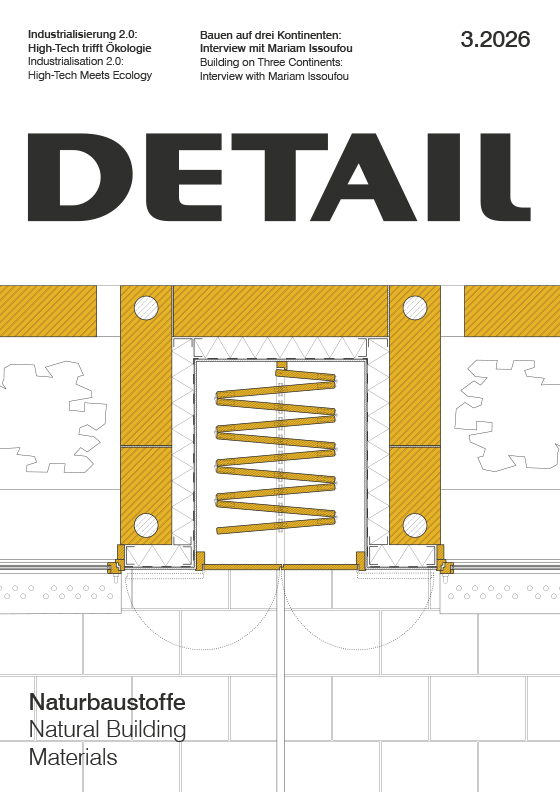
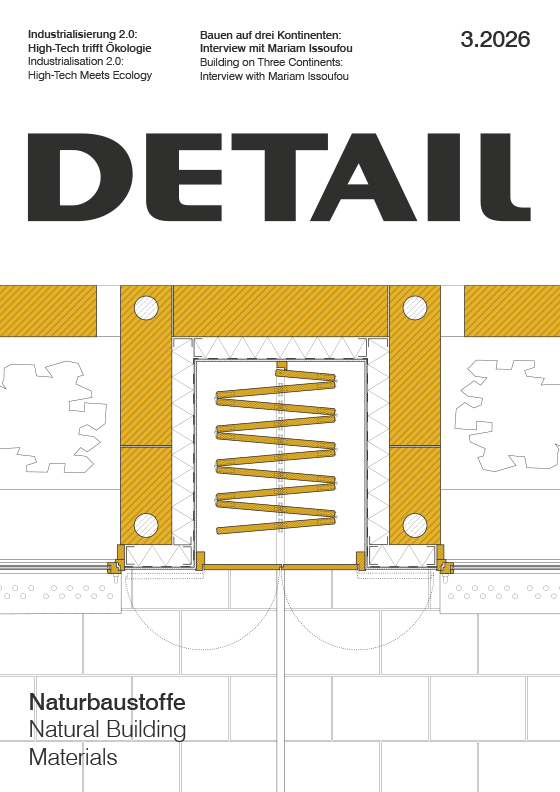
Natural Building Materials
Nature knows best. In nature, circularity is not some unfamiliar process, but the self-evident basis of all existence. Just as nothing is left behind in nature, energy is never wasted. Which means that every end contains a new beginning.
Today, natural building materials are driven less by ideology than by pragmatic choices and a pursuit of longevity. The synthesis of high-tech and “eco” has long been aesthetically convincing too. In this issue, we showcase the beauty and potential of natural stone, hemp bricks, and hempcrete; visit a reconstructed “Strickbau” (traditional timber-log construction) that upends the very definition of “immovable property”; look behind the facades of a 16-storey timber housing block; and examine the timber-earth slabs at Hortus, a key project by Herzog & de Meuron. For Alexander Franz, Project Director & Associate Architect, certifications for building components are decisive. At Hortus, the earth in the ceilings serves as part of the fire safety strategy. This game-changer is already fire-safety certified for Switzerland; it isn’t restricted to insiders and, as in nature, imitation is encouraged.
DETAIL Single Issues
DETAIL Single Issues

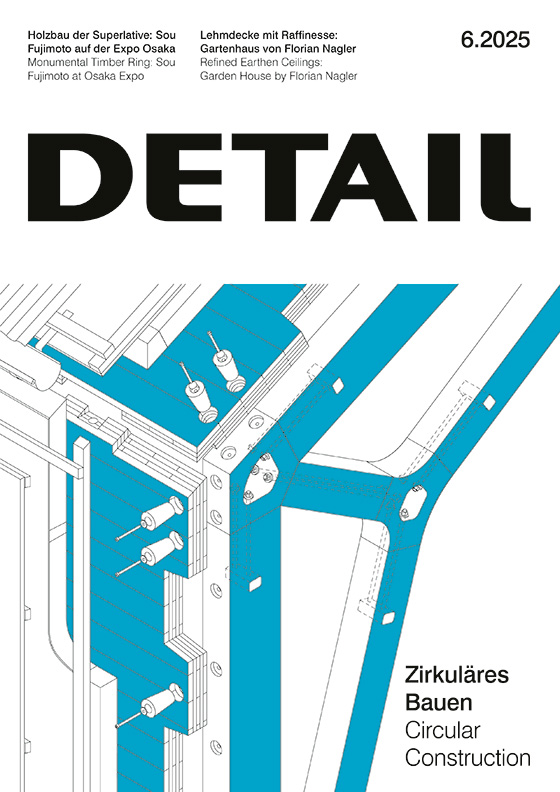
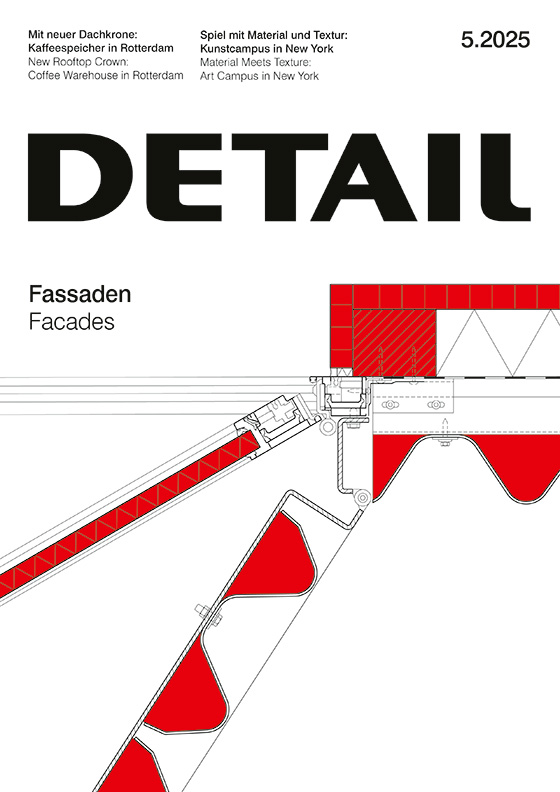

Annual packages
Annual Packages
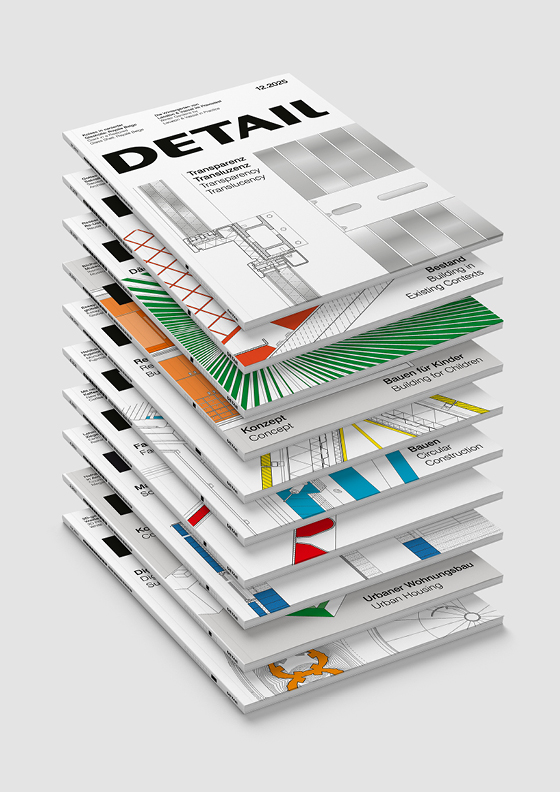
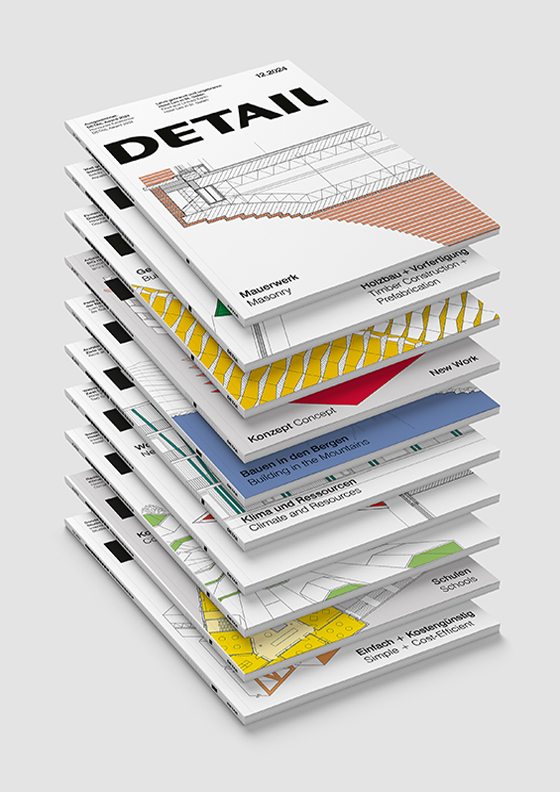


Set of DETAIL issues