Creating regional identity
Frankfurt Rhine-Main Is World Design Capital 2026
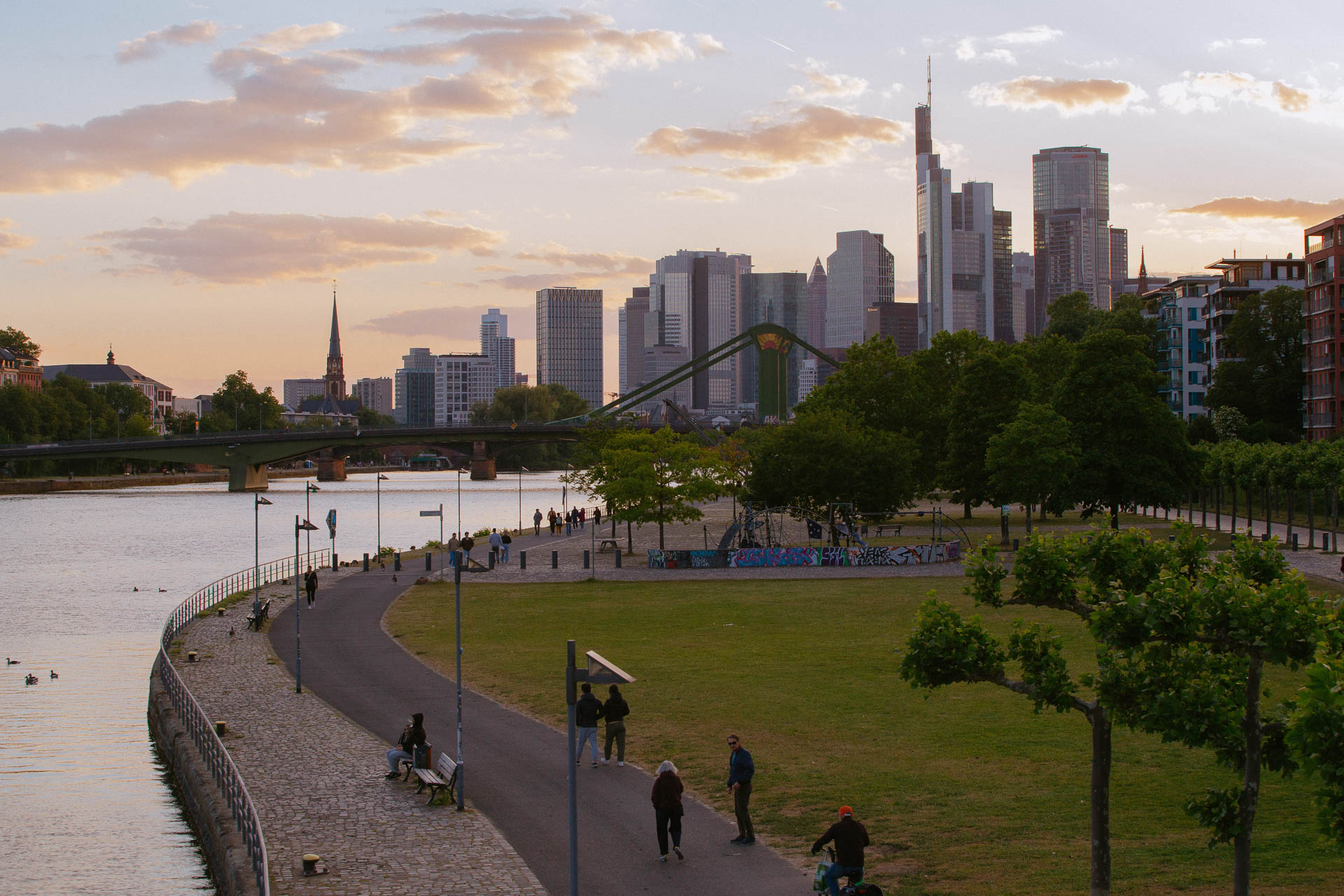
View of the Frankfurt skyline: The Frankfurt Rhine-Main metropolitan region is World Design Capital 2026. © Ben Kuhlmann
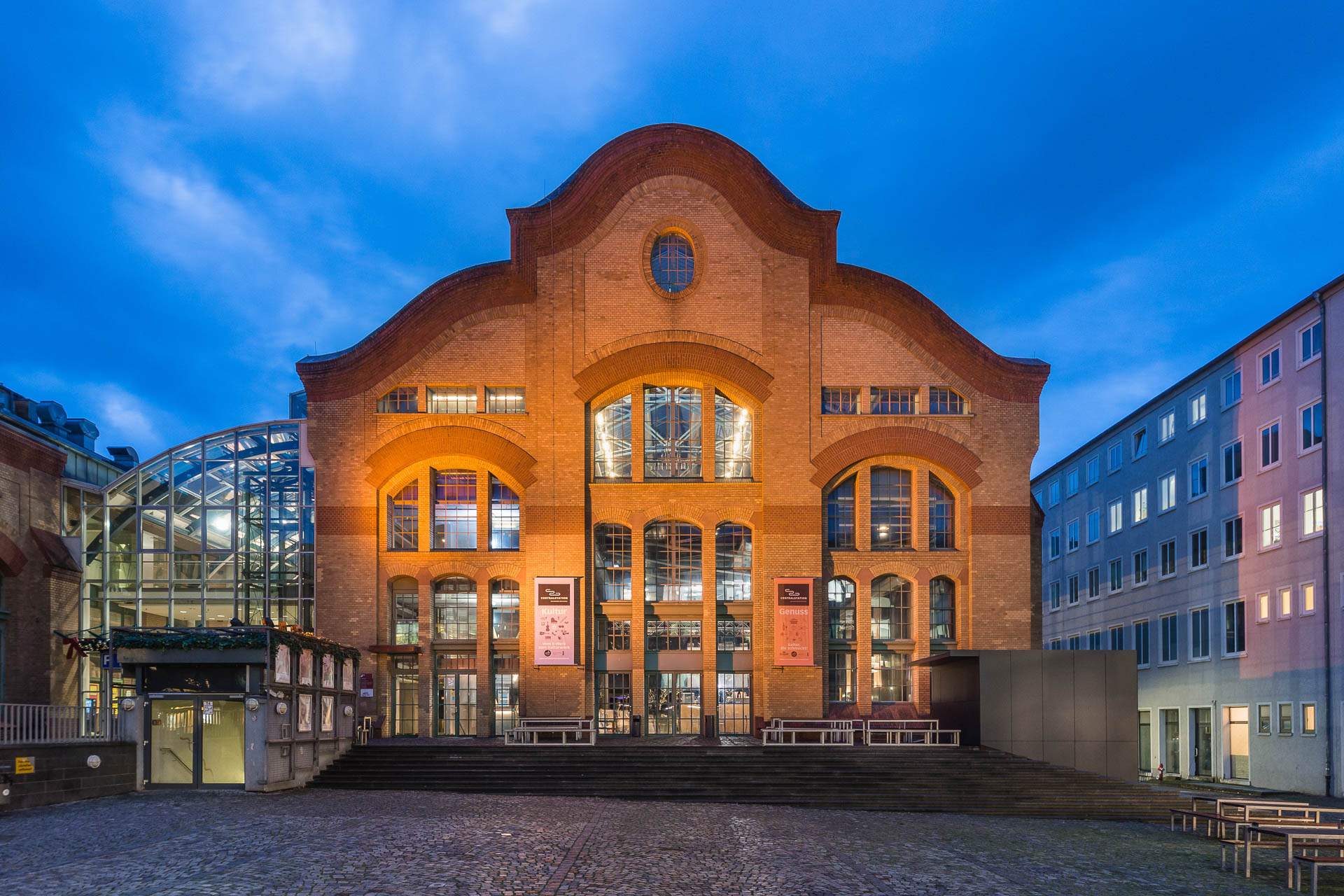
The Frankfurt Rhine-Main metropolitan region has been named World Design Capital 2026 by the World Design Organization. Under the motto “Design for Democracy. Atmospheres for a better life,” numerous events will take place in the region this year, all with the same goal: to find out what design can achieve – for society, for our coexistence, for democracy. The grand opening at Centralstation in Darmstadt on January 16 marks the start of the celebrations. After that, the World Design Capital Hub at the Museum Angewandte Kunst in Frankfurt will become the central point of contact: with exhibitions, workshops, and discussion formats, the museum offers an open space for information, exchange, and critical debate.
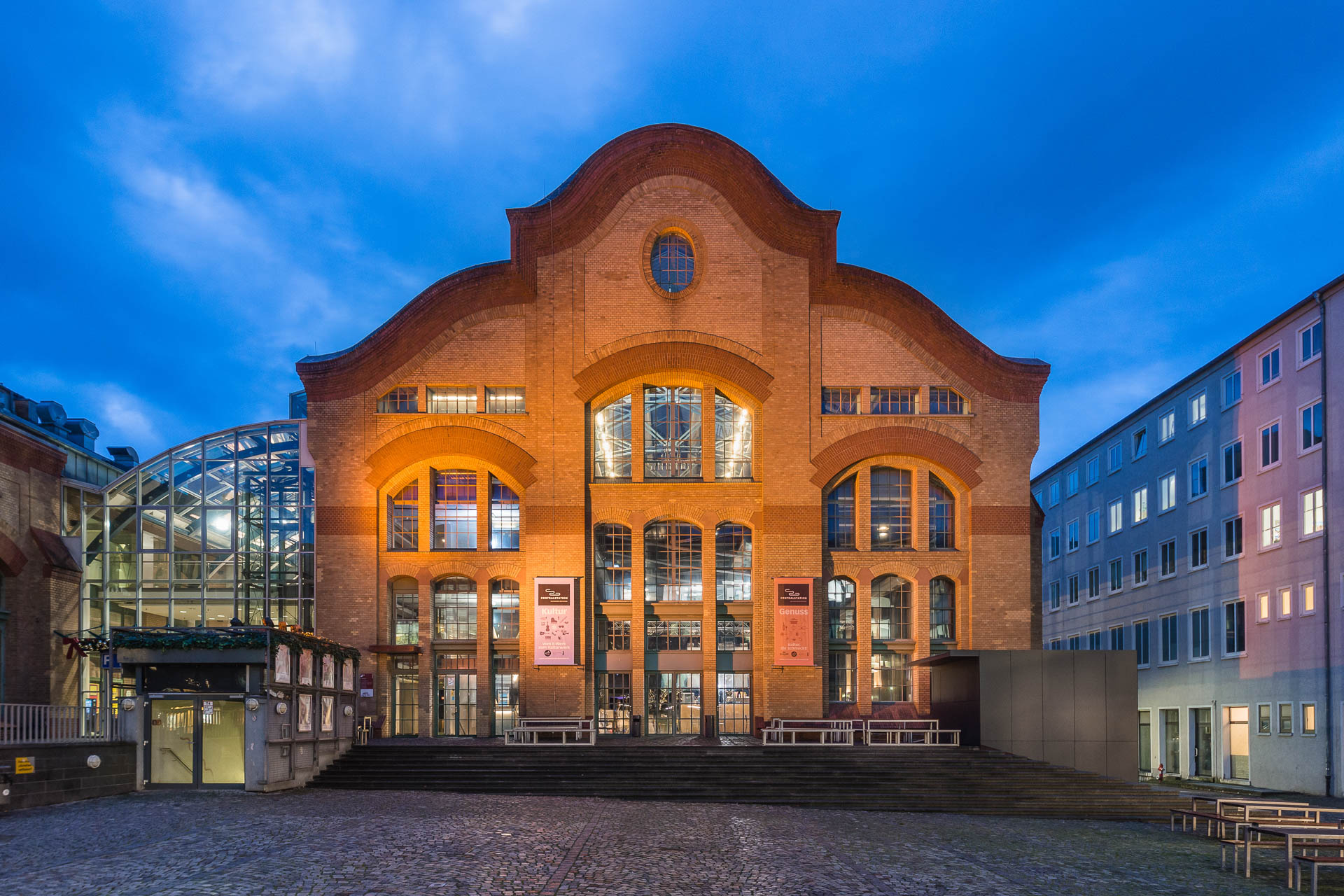
The grand opening will take place at Centralstation in Darmstadt. © Kristof Lemp
Change through participatory design
The polycentric metropolitan area brings together several economically and politically important medium-sized and small cities. As one of the most important economic and financial centers in Germany and Europe, Frankfurt Rhine-Main has many advantages, including strong employers, a wide range of universities, and attractive landscapes and recreational areas. However, the region has not yet managed to unite all these different aspects. This year's overarching goal is therefore to use the international stage to create a new shared regional identity. Together, we will seek answers to the questions of our time: How can public spaces create real added value? How do architecture, mobility, the economy, and digitalization contribute to a better quality of life? And what role does design play in a vibrant democracy? 400 projects and around 2,000 events invite citizens, educational institutions, cultural and creative industries, and companies of all sizes to actively participate, try things out, and provide inspiration.
Sustainable urban development
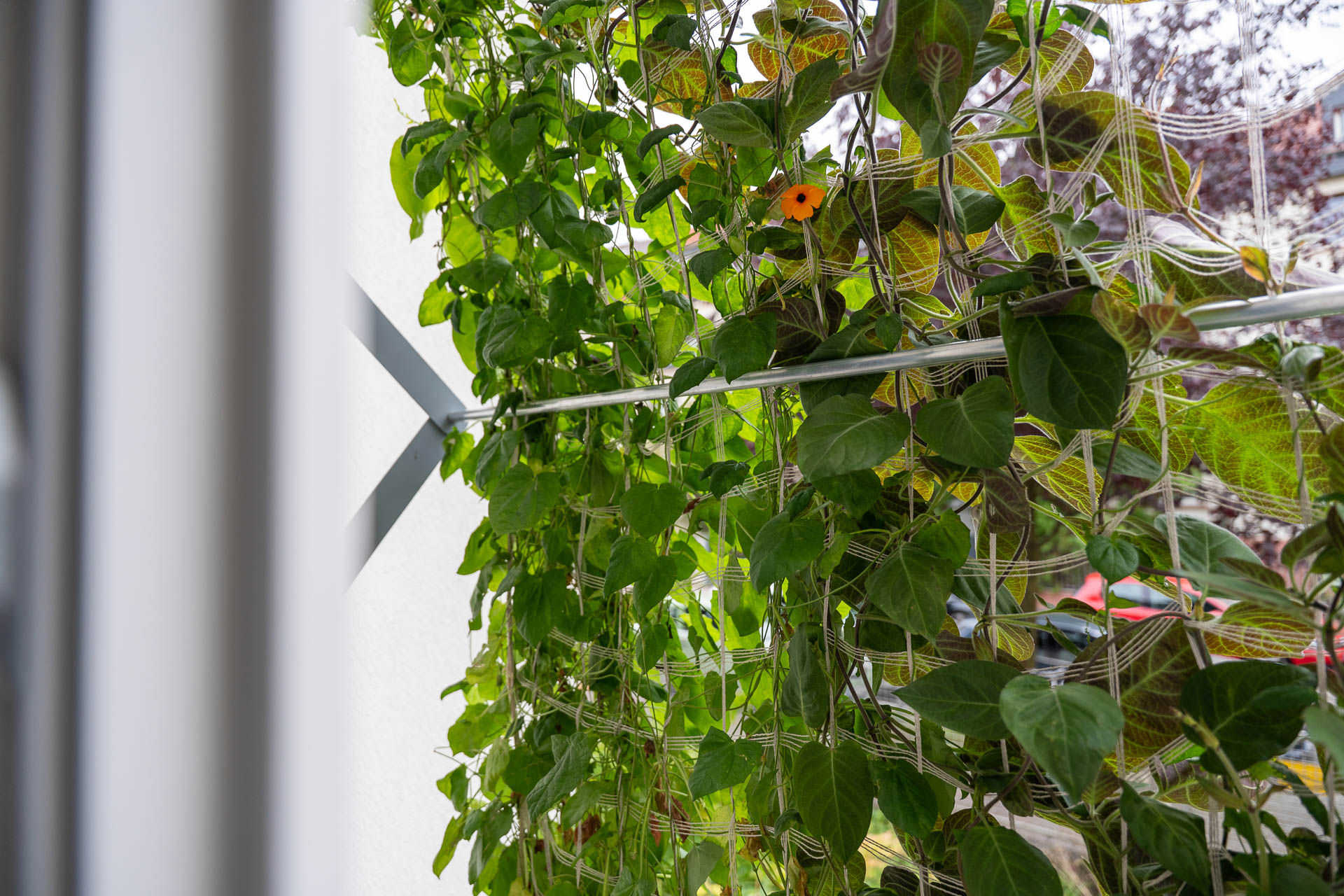
The program includes various focal points that show how design promotes sustainable urban development, enables new forms of urban living and working, and rethinks mobility and education. Projects such as “Mobile Gardens” and “Shadow Green” show how collective action and creative design can bring about lasting change in urban spaces: while mobile community gardens in Hanau can be flexibly moved to areas lacking in green spaces and quality of life, “Shadow Green” aims to transform a model neighborhood in Frankfurt into a green oasis in the spring. An easy-to-use modular kit for windows, balconies, and facades is used to create plant sails that reduce heat islands, promote biodiversity, and create new social gathering places. Both initiatives combine ecological impact with broad participation.
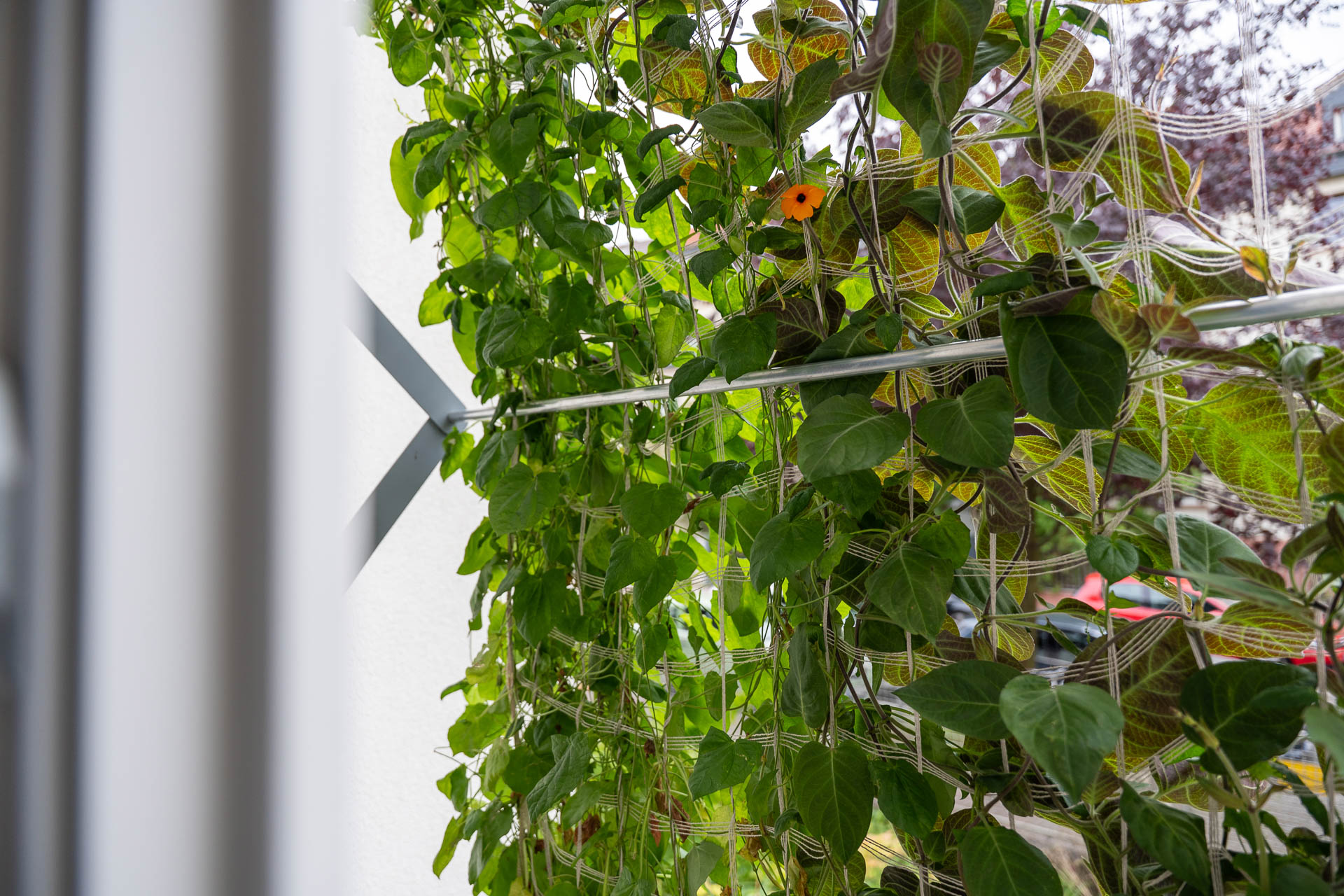
In spring 2026, as many residents as possible are to install 3 m² planting areas to transform a model neighborhood in Frankfurt into a green oasis. © OMCC
Encouraging social community
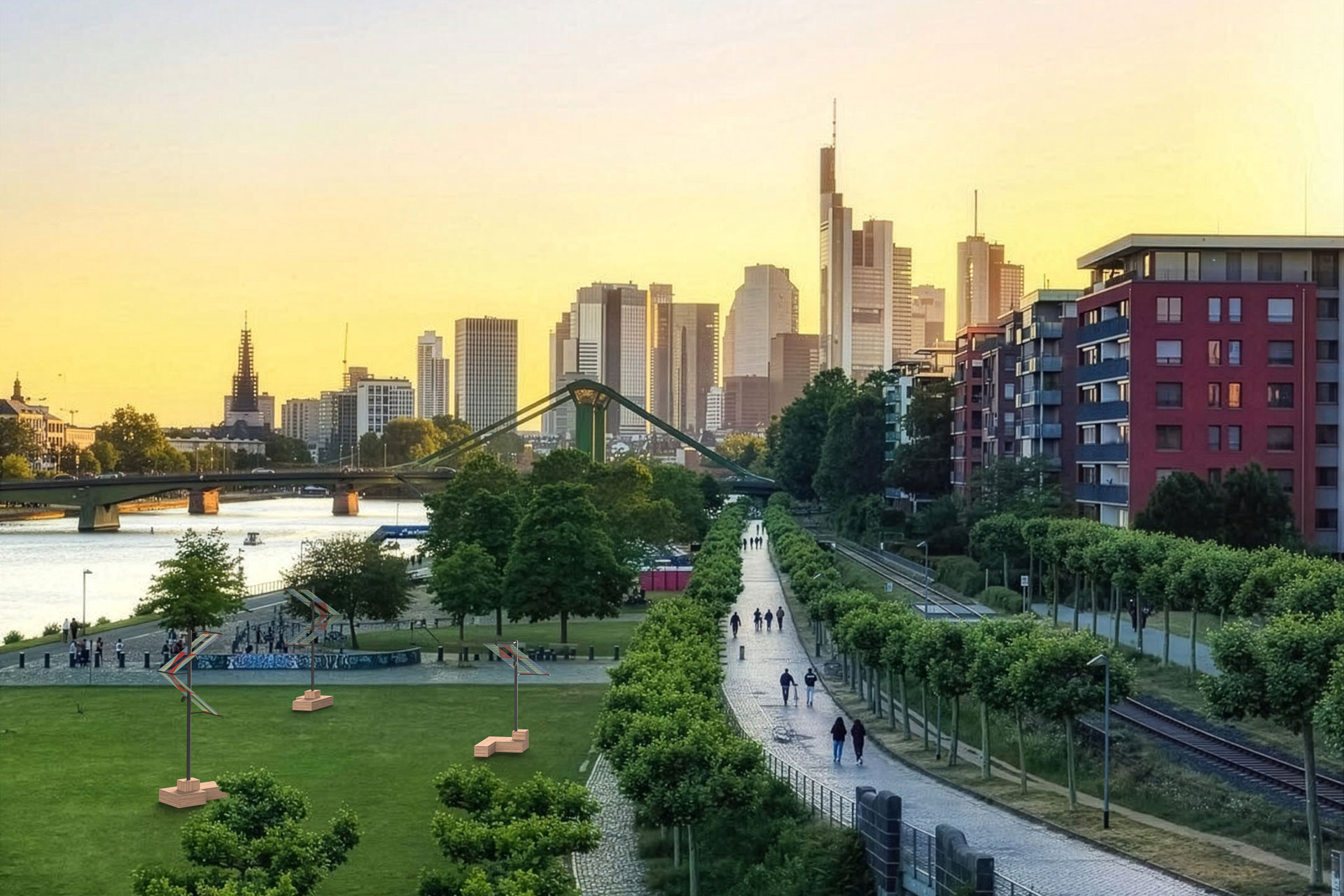
Three other projects illustrate how design can initiate social change: Tobias Trübenbacher and Andreas Lang have developed Main-Light, an autonomous, climate-neutral street lighting system that safely illuminates dark areas in urban spaces thanks to solar films, insect-friendly light, and simple installation without power lines. The light installation can be found in Weseler Werft Park in Frankfurt's Ostend district. The Kiosk of Solidarity in Frankfurt's Bahnhofsviertel district is creating a place for inclusion, exchange, and visibility of social issues. The new meeting place brings together neighbors, drug users, and initiatives and will promote dialogue on spatial, social, and health policy conflicts. In Wiesbaden, residents are working with the city administration to design Hesse's first superblock. The model for this is this year's World Capital of Architecture: Superblocks have been providing traffic-calmed zones and an improved quality of life within densely built-up neighborhoods in Barcelona since 2016. The “Superblock Rheingauviertel” initiative wants the same for its city center and will transform the streets into temporary meeting places.
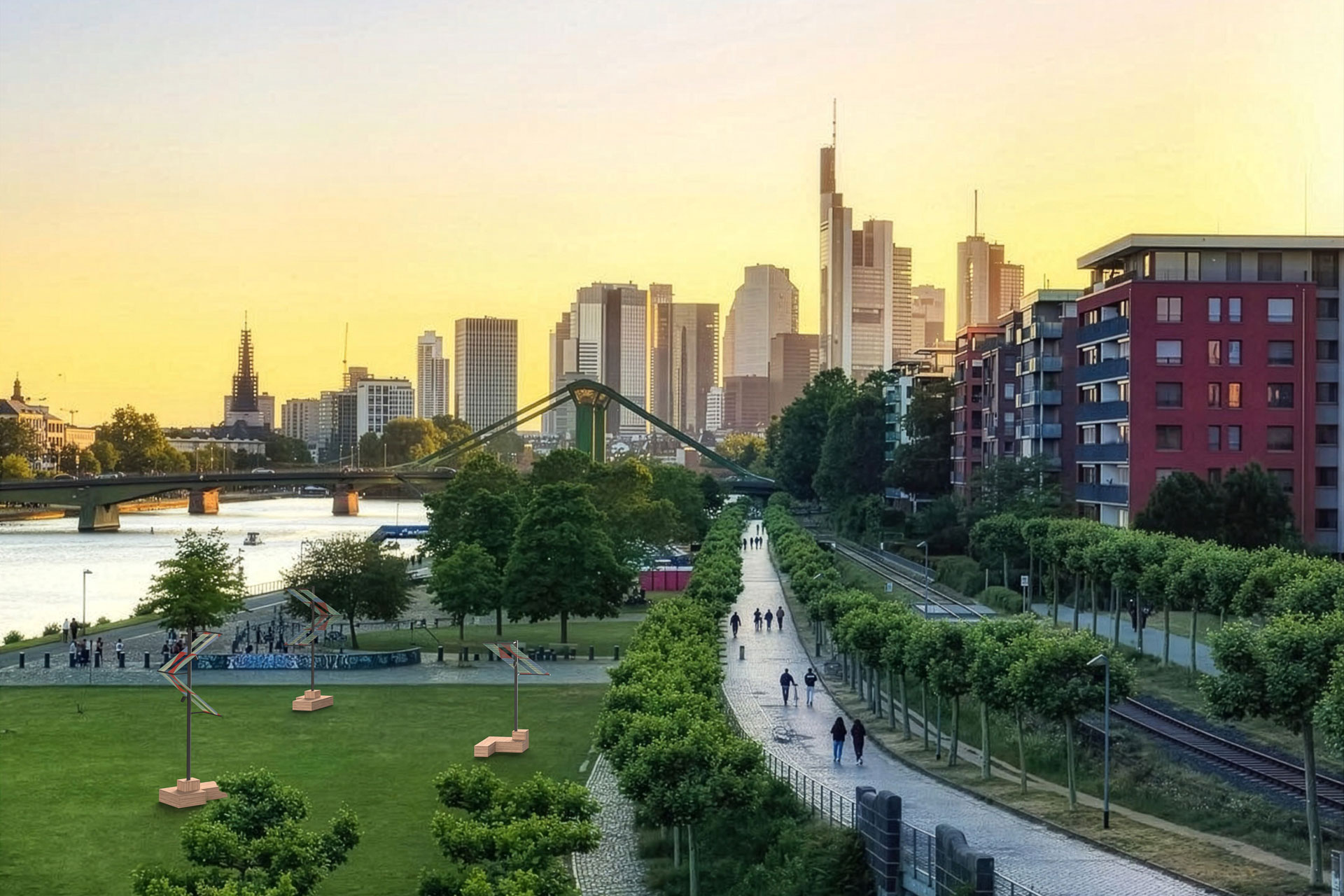
In Weseler Werft Park in Frankfurt, there is a solar-powered light installation for public spaces. © Main-Light
Political dialogue
The World Design Capital 2026 program offers many other exciting and informative events that are worth checking out. In mid-November, the World Design Policy Days will mark the end of the development journey for the Rhine-Main region. The three-day event will not only open up dialogue with regional politicians, but the international network of World Design Capitals will also gather at Frankfurt's Paulskirche to hand over the WDC title to the next World Design Capital, Busan in South Korea.
Event: World Design Capital 2026
Exhibition dates: January to December 2026
Exhibition venue: Frankfurt Rhine-Main, Hesse (DE)
Further information: wdc2026.org
Gallery