
News from Architecture & Design
Issue 10.2025
Roofs
Can architecture keep reinventing the roofscape? Since 2019 we know it can. That year, Bjarke Ingels turned the 400 m sloping roof of a waste-to-energy plant in Copenhagen into a grassy ski slope. Since then, around 10 000 sports enthusiasts have made the annual climb up CopenHill, Denmark’s highest hill, to glide back down. The concept cannot be replicated everywhere, but it reveals the latent potential of roofs as adventurous urban terrains – spaces far too valuable to be left to languish under layers of bitumen in an age of climate change. Cooperative housing and cohousing projects have long embraced the communal roof terrace as a place for gardening, social gathering, and drying laundry together, while also helping to counter the urban heat-island effect and loss of biodiversity.
The movement is now spilling over from housing into office real estate, with global tech giants again leading the way. Ten years ago, Frank Gehry shaped the gently undulating flat roof of the Facebook campus in Menlo Park into a 3.5 hectare parkland above the lagoon. Google is now following suit in the heart of London. At King’s Cross, completion of the BIG and Heatherwick Studio building has been awaited year after year. In Berlin, things moved faster: on Darwin strasse, Grüntuch Ernst have realised a 2200 m² roof park above 1000 office workstations. Cascading across four storeys, it connects directly to the open-plan offices through sliding glass doors. The terrace is also open to the wider neighbourhood, enlivening the district. A vision of roofs not as residual surfaces, but as shared urban ground. Frank Kaltenbach
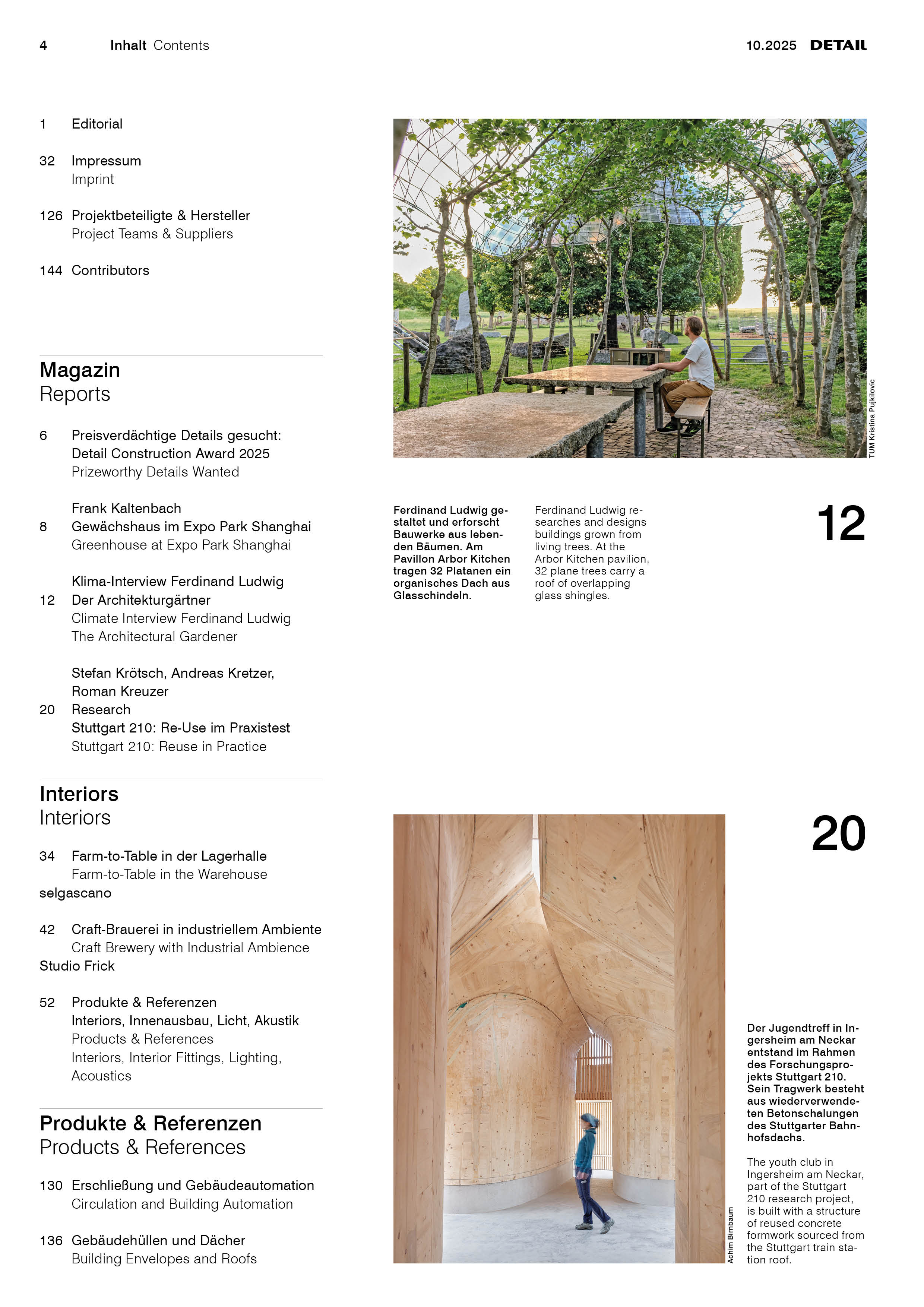
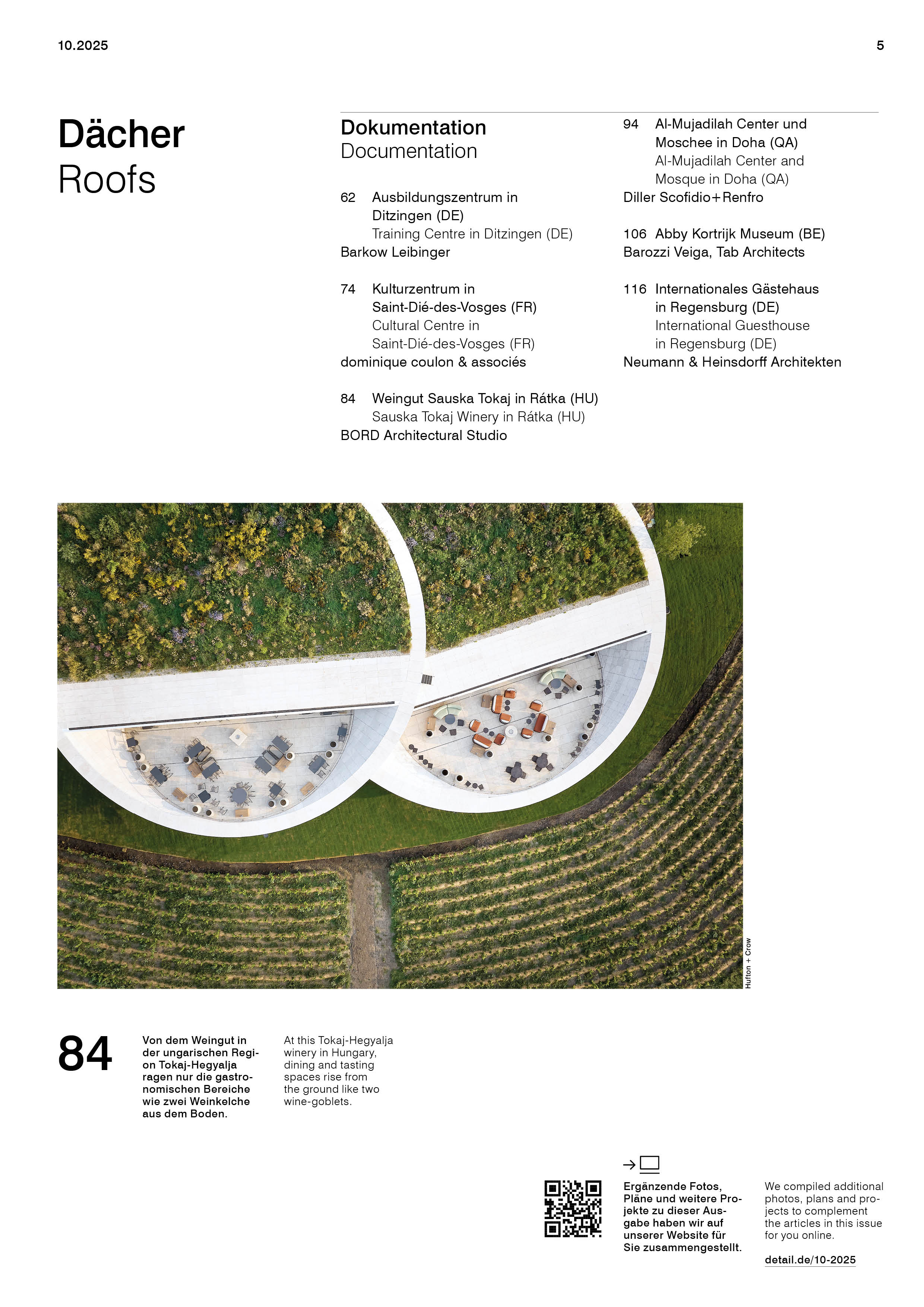
Projects in this Issue
-

Building in hot climates
Women's Mosque in Doha by Diller Scofidio + Renfro
The Al Mujadilah Education Centre is home to the world's first mosque built exclusively for women. Its 20 x 35 metre hand-knotted prayer carpet can accommodate 750 Muslim women.
-
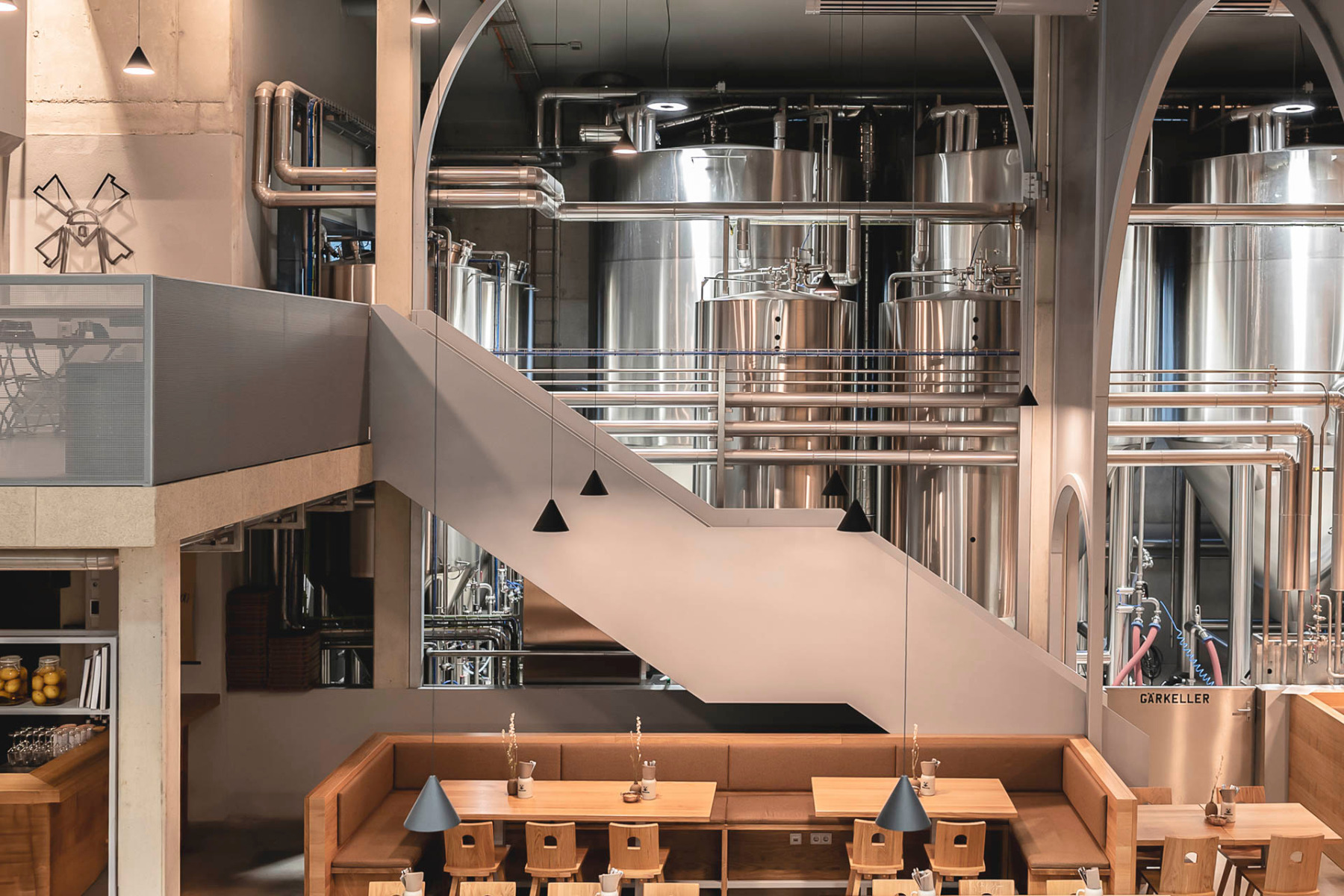
Industrial ambience
Müllerbräu in Pfaffenhofen
Studio Frick has designed a spacious 2,000 m² dining area for the family-run brewery, closely linking production and experience.
-

New use for industrial hall
Greenhouse in Shanghai by Delugan Meissl
In the Expo Cultural Park in Shanghai, the former site of Expo 2010, a greenhouse with a floor area of almost 50 000 m2 has been built according to plans by Delugan Meissl Associated Architects. The backdrop for the new building is the gutted hall of a former steelworks.
Newsletter
Produkt + Praxis | Advertorial

Publisher's offer
More projects, images and detailed drawings on our knowledge platform DETAIL Inspiration.

Further Contributions on the Topic
-

Monument to a chicken farmer
The Sunner Museum in China by Atelier Alter
In Fujian province, the Atelier Alter architectural practice has completed one of the most unusual privately financed cultural buildings in China: a company museum for a chicken farmer.
-

Village with 54 residential units
Housing Development in Los Angeles by LOHA
Lorcan O'Herlihy Architects (LOHA) built the Isla Intersections project in one of the city's most inhospitable areas. This social housing development uses modular prefabrication to create an almost village-like atmosphere.
-

Reinterpretation of the courtyard house
Jinji Lake Pavilion in Suzhou by BIG
Roofs have always played a significant role in the work of BIG. This is also evident in the lakeside pavilion on Jinji Lake in Suzhou, where its two-layered, translucent roof structure filters subdued light into the interior.
-

Accessible roof landscape
Nordøstamager School in Copenhagen by Christensen & Co.
Christensen & Co. designed their new school building in south-east Copenhagen as a house for the whole neighbourhood. The roof terraces and many of the rooms on the ground floor are open to local residents.
-

A flexible event venue
Hybrid Stadium in Hangzhou by Archi-Tectonics
Subsequent use considered: This multifunctional sports complex that was home to the 2023 Asian Games will be available for use as a venue for events of all kinds.
-

An expedition into the cosmos
The Orionis Planetarium by Snøhetta
The new Orionis Planetarium and Observatory by Snøhetta is captivating with its elliptical shape, which was inspired by the continual movement of the stars.
Architecture Biennale 2025
-
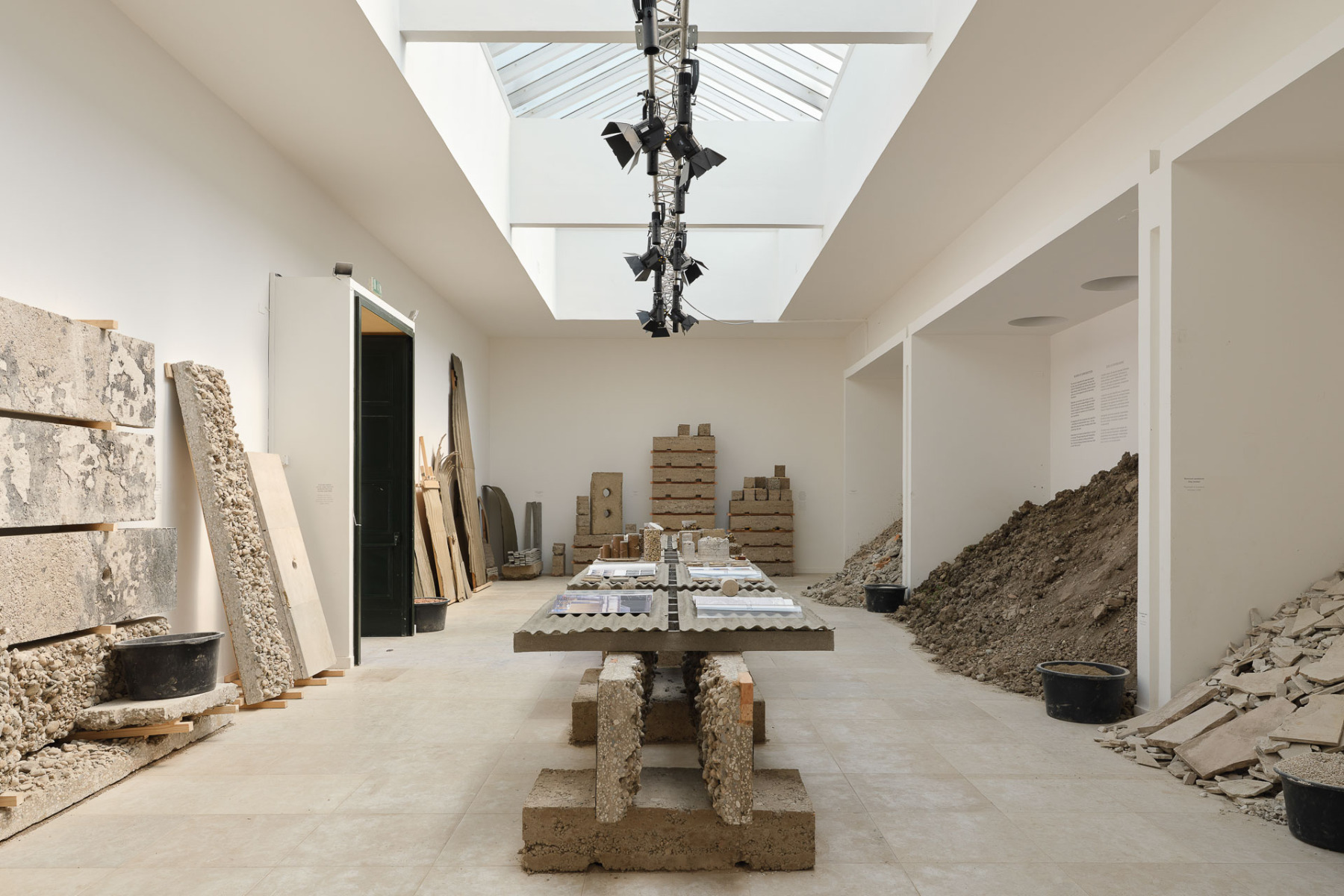
Venice Architecture Biennale 2025
The Biennale, A Construction Site?
High-tech, low-tech, and AI: The 19th Architecture Biennale doesn’t refuse to showcase architecture – but does it meaningfully engage with the pressing realities its audience faces?
-

Kinetic shading system
Sombra Pavilion in Venice by MVRDV
MVRDV and partners present the Sombra Pavilion – an architectural experiment in the dynamic control of light, heat and ventilation.
-
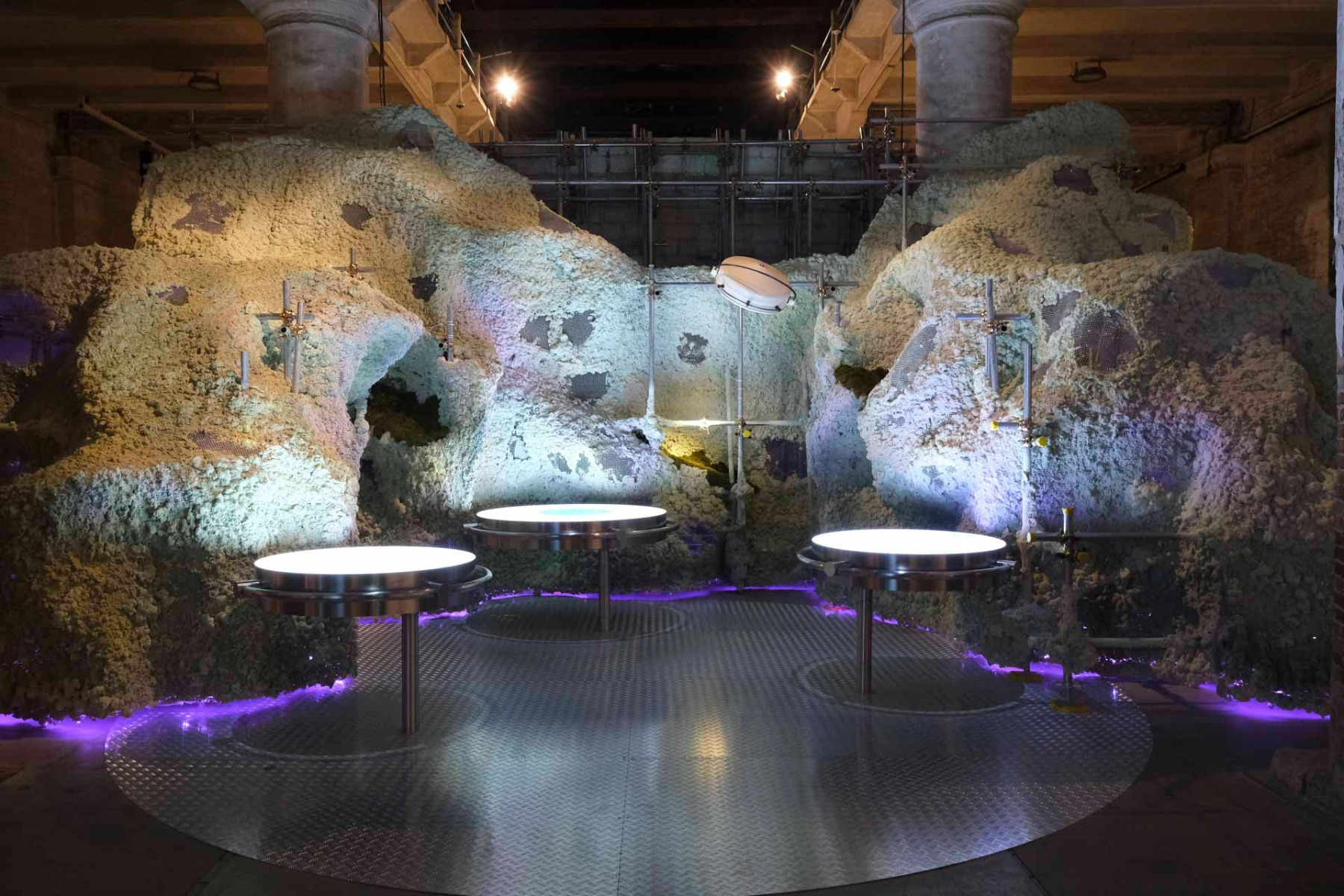
Architecture Biennale 2025 in Venice
Saving the World Out of the 3D Printer?
Material experiments using 3D printers are booming at this year's Architecture Biennale. But what real problems of our world are they supposed to solve – and by when?
-
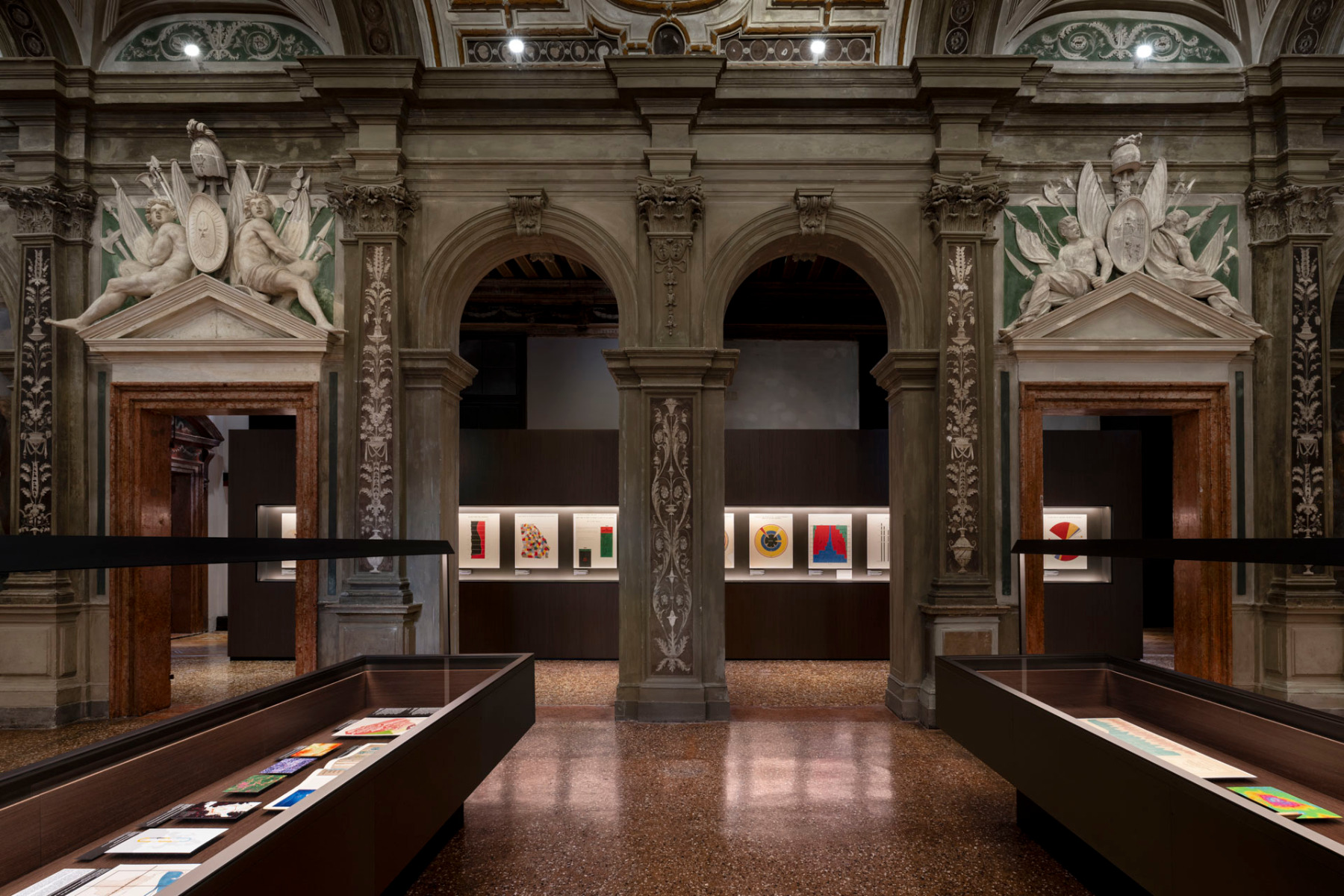
Exhibition in Venice
Fondazione Prada Presents “Diagrams” by AMO/OMA
An exhibition in Venice that is well worth seeing deals with the history of infographics as a medium. The more than 300 exhibits were selected by Rem Koolhaas and his office AMO/OMA.
-
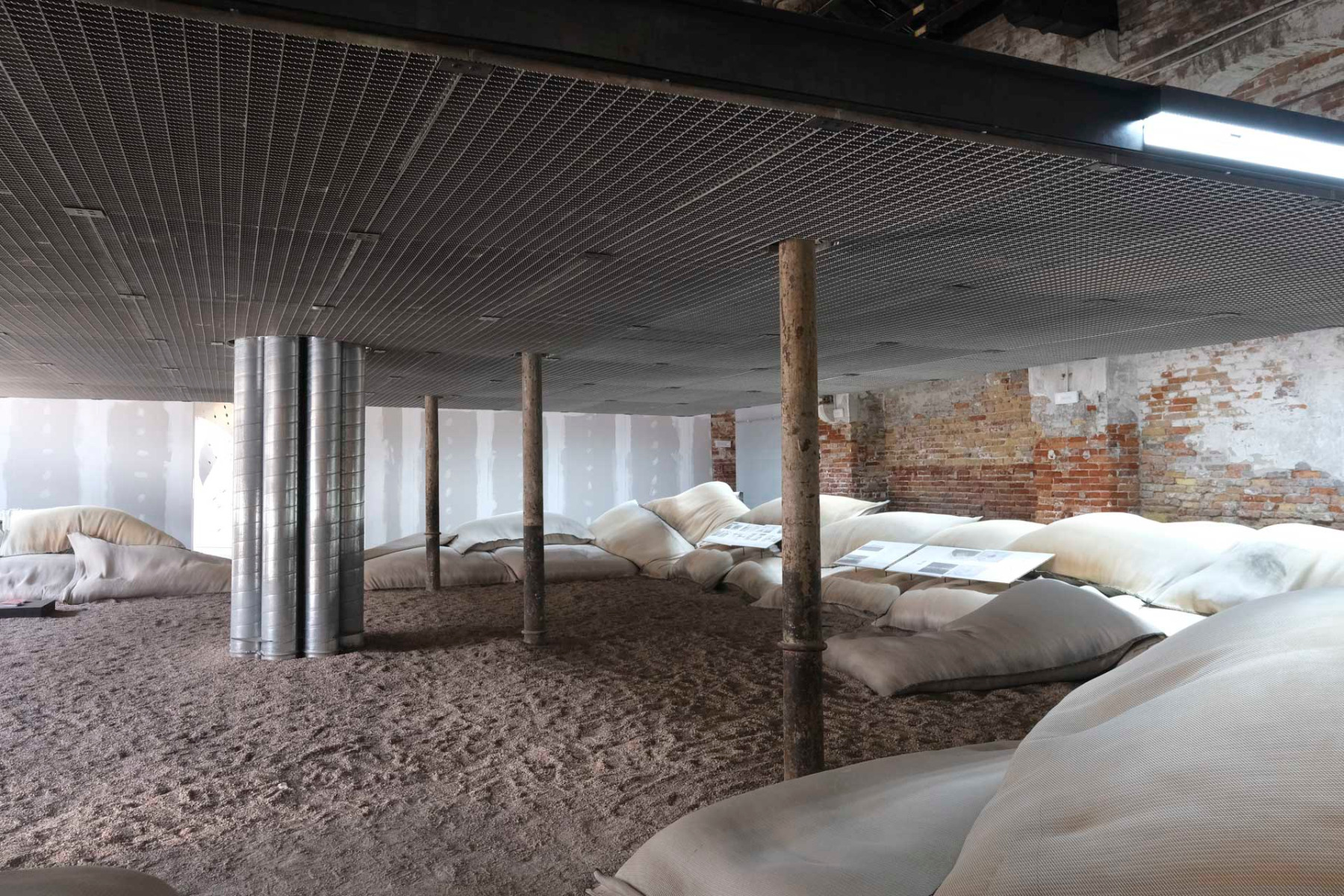
Architecture Biennale 2025 in Venice
What Helps to Combat the Heat in Cities?
Global warming is most noticeable in the world's cities. At this year's Architecture Biennale, it is not only the German pavilion that is focusing on urban heat islands. The solutions presented range from tree planting to cooling ceilings for urban open spaces.
-
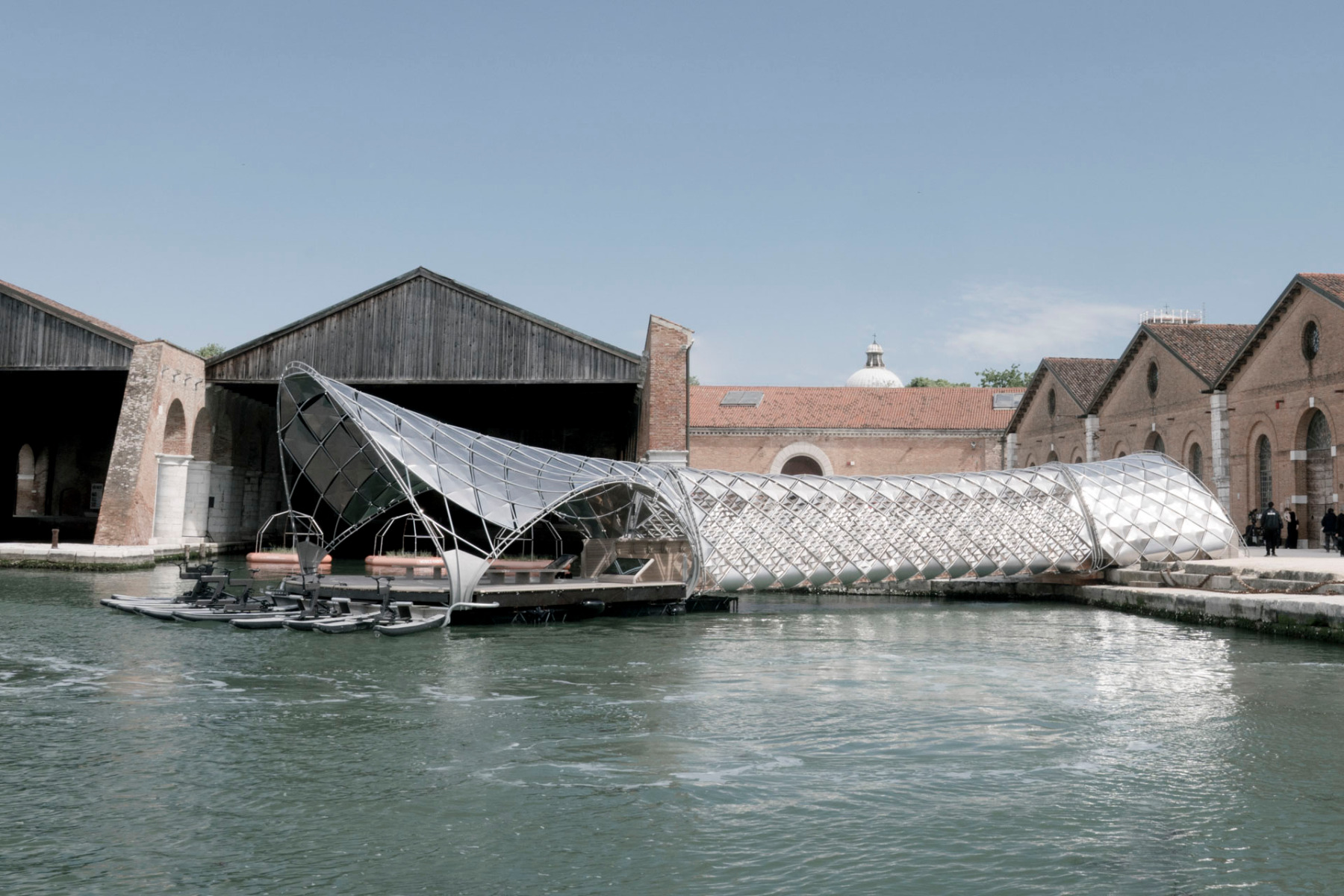
Future of mobility
Gateway to Venice's Waterway by Norman Foster and Porsche
“Gateway to Venice's Waterway” is a joint research project of the Norman Foster Foundation and Porsche at the Architecture Biennale 2025. The prototype studies alternative urban mobility solutions.
Previous Issues
-

Building for Children 9.2025
No phase of life is more formative than childhood, and the buildings children experience leave lasting impressions. In this issue we profile child-focused environments realised both as new builds and through adaptive reuse.
-

Regional Building Culture 7/8.2025
Traditional building forms have undergone repeated revivals and rejections throughout architectural history. In the current issue, we take a look at various projects.
-

Circular Construction 6.2025
The cradle-to-cradle principle envisions buildings returning to the natural cycle after use. Find out how different the approaches and hurdles are in DETAIL 6.2025.
-

Facades 5.2025
The facade is a building’s most outward-facing element. The projects featured in this issue reveal the diverse ways architecture firms approach the art of cladding
-

Solid Construction 4.2025
Around 75 % of residential buildings in Germany are made of masonry. This enduring preference reflects growing confidence in solid construction and provides the impetus for dedicating this issue of Detail to the topic.
-

Urban Housing 3.2025
Building plots are becoming scarce, housing costs are soaring, and apartments in new developments are shrinking. The model has shifted from suburban houses to urban living. But what does that mean?
-

Digital and Sustainable 1-2.2025
What lies ahead for architecture in the digital age? To gain insight, we surveyed architects from around the globe on the role of artificial intelligence. The result is a fascinating snapshot of their perspectives.
-

Masonry 12.2024
In addition to the winning projects of the Detail Award, our December issue takes us to masonry buildings in France and southern England and to Danish brick construction.
-

Timber Construction + Prefabrication 11.2024
From residential estates and office complexes to an observation tower and an Olympic milestone in Paris, this issue showcases the versatility of timber construction through seven exemplary projects.
-

Building Envelopes 10.2024
While many new residential buildings are generic investor projects using cheap materials, Paris continues to lead with experimental milestones in the use of natural building materials. We present these building envelopes in this issue.
-

New Work 9.2024
New Work is a widely used term these days, but its meaning often remains unclear. In this concept edition of Detail, we let current projects illustrate these changes rather than providing rigid definitions.
-

Building in the Mountains 7/8.2024
From the metropolis to the solitude of the mountains: In our summer issue, we explore two highly contrasting subjects. The Olympic Games in Paris and Building in the Mountains.
-

Climate and Resources 6.2024
Sustainability encompasses various practices, all aimed at reducing carbon emissions. With this June issue, we spotlight six diverse projects that are taking steps towards a climate-neutral future in very different ways.
-

New Housing in Old Stock 5.2024
The focus should be on developing housing within existing buildings and settlementstructures – through conversions, additions, extensions, and densification. Our new issue illustrates how this can be achieved.
-

Balconies, Loggias, Terraces 4.2024
Out into the open! Our April issue delves into the construction and design of buildings with balconies, terraces, loggias, and arcades. We hope you enjoy exploring these features.
-

Schools 3.2024
Is it possible to reduce costs and guarantee quality simultaneously in construction? As we embark on the new year, we confront a pressing issue that will accompany us for some time to come.
-

Simple + Cost-Efficient 1/2.2024
Is it possible to reduce costs and guarantee quality simultaneously in construction? As we embark on the new year, we confront a pressing issue that will accompany us for some time to come.
-

Increasing Density 12.2023
This December issue is dedicated to urban density and the architectural solutions needed to achieve it. While we understand the necessity of densification, few are eager to sacrifice their own space.
-

Natural Building Materials 11.2023
In the last decade, timber construction has rapidly gained ground in the building industry. Our current issue documents multi-layered examples of the detailed application of natural building materials.
-

Windows and Facades 10.2023
Facades have always had many roles to play. They give buildings a face, protect them from the elements, and convey meaning. The examples presented in this issue highlight the merits of thoughtful facades.
-

Mixed Use 9.2023
We selected exciting projects for our September issue, focussing on mixed use concepts. They include residential and office spaces, sports halls and gastronomic functions and many more within their complex programs.
-

Saving Space 7/8.2023
Space is a type of resource we bring to light in this summer edition of Detail. Our Documentation section features innovative structures that make clever use of limited space.
-

Architecture and Climate Protection 6.2023
Anyone asking the inevitable question about climate protection in architecture today will receive not one but many answers.
-

-

Truth to Materials 4.2023
Debates about building materials in architecture inevitably mention the term “truth to materials” (known in German as “Materialgerechtigkeit”).
-

Hotels, Hostels, Guesthouses 3.2023
Few sectors of the economy were so battered during the corona years as the hotel industry.
-

Taking Stock 1/2.2023
Not only in Germany and Europe but also worldwide, building in existing structures is currently gaining in acceptance and relevance.
-

Building Envelopes 12.2022
While compiling our personal favourites of the year in the Detail editorial office, I was surprised at the vast scope of projects my colleagues had experienced in 2022. For this issue’s review of the year, they describe their architectural observations in places like Jerusalem, Berlin, and Montagnana, Italy.
-

Circular Economy 11.2022
If the aim is net zero, demolition and landfill disposal must be avoided at all costs. Today, a progressive architecture is one that takes part in the circular economy and reuses building materials.
-

Lighting Interiors 10.2022
Our October issue is all about light and interiors. PPAG’s school in Vienna brings daylight into deep cluster spaces to foster daily well-being.
-

Cultural Buildings 9.2022
In 1997, the Guggenheim Museum opened in Bilbao, and Frank Gehry’s eccentric new building transformed the Basque city into an overnight hotspot for international tourism.
-

Urban Green 7/8.2022
Especially in big dense cities, roofs and facades are the only places left to make things greener.
-

Simple and Affordable 6.2022
“Doing away with everything superfluous creates the potential for an architectural quality all of its own,” says Florian Nagler about “simple building” in an interview with Frank Kaltenbach.
-

Prefabrication Modular Construction 5.2022
Naturstein und Hochlochziegel, Ortbeton und Stampflehm in vorproduzierten Elementen: Für die Massivbauweise kommen viele unterschiedliche Materialien in Frage, und oft ist ihre Anwendung regional motiviert.
-

Solid Construction 4.2022
Natural stone and perforated bricks, cast-in-place concrete, and rammed earth in prefabricated elements – these are just a few of the diverse materials used in solid construction, and their use is often regionally motivated.
-

Urban Housing 3.2022
“A villa in the countryside with a large terrace, in front of you the Baltic Sea, Friedrichstrasse behind you …”. Thus begins Kurt Tucholsky’s 1927 poem, “The Ideal”. While Tucholsky’s ideal of urban life might be unattainable in Berlin, there are cities where it has become a reality.